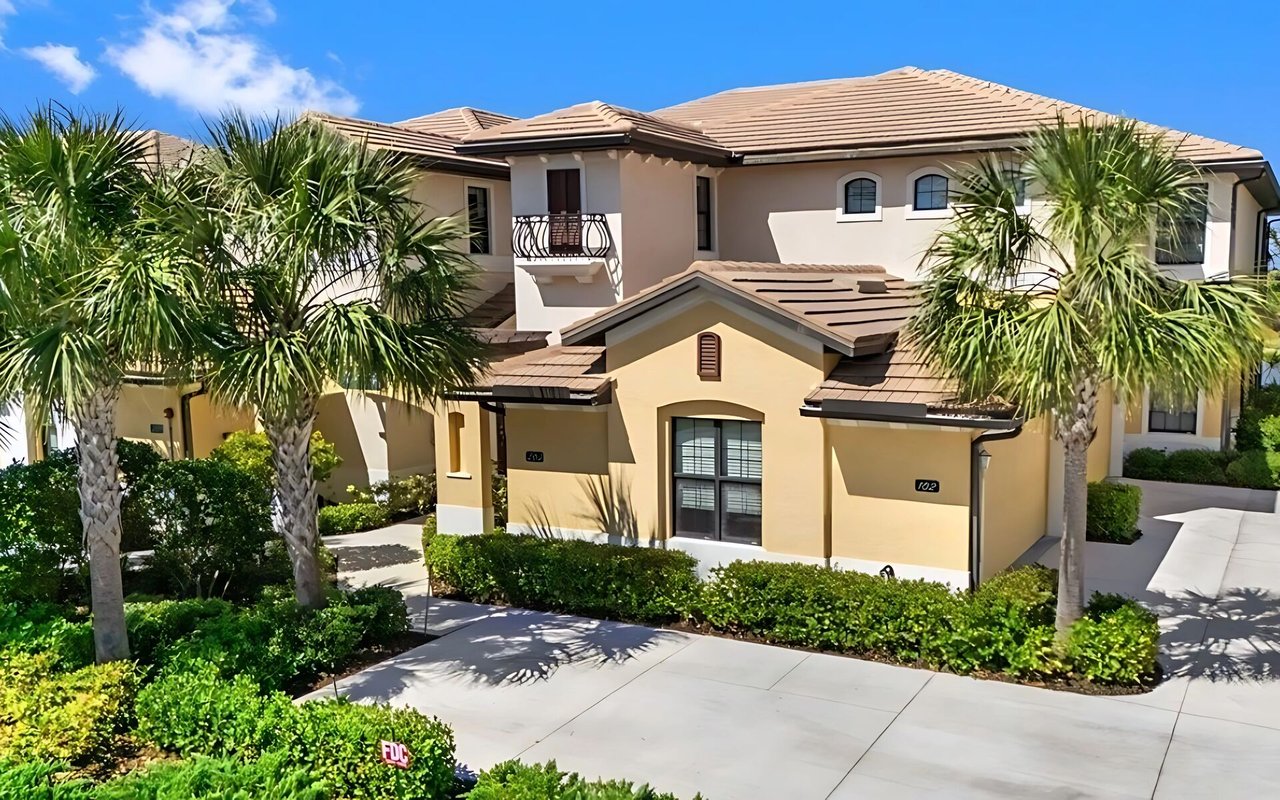
A local seller’s guide to pricing, preparation, presentation and negotiation—from San Clemente and Dana Point to Mission Viejo, Ladera Ranch and the communities in between.
Selling for Maximum Value Starts Before Your Home Hits the Market
After selling real estate in Orange County since 1989, I’ve learned that getting the best result for a seller usually isn’t about one dramatic decision. It is the combination of dozens of smaller decisions made before and during the sale.
How should the home be priced? What should be repaired? What should be left alone? Does the house need staging, or simply editing and better furniture placement? Which features will matter most to buyers in that particular neighborhood? How should the home be photographed and presented? And once offers arrive, which offer is actually the strongest?
Those questions matter anywhere, but they matter especially in South Orange County because buyers do not evaluate every community—or even every neighborhood within the same city—the same way.
A Talega buyer may focus on different things than a buyer in Southwest San Clemente. A coastal Dana Point property is not marketed the same way as a home in Mission Viejo. A newer Rancho Mission Viejo home competes differently than an older property with a larger lot in an established neighborhood.
The goal is not simply to put your home on the market. The goal is to understand exactly what you are selling, who is most likely to buy it, and how to position it so buyers recognize its value.
1. Price the Home for the Market You Are Actually In
Pricing is one of the most important decisions a seller makes, and it is also one of the easiest places to make a costly mistake.
I don’t believe a home should be priced by looking at a citywide average or by relying on an automated online estimate. I want to know what has sold nearby, what is currently competing with the property, what buyers have recently rejected, how long comparable homes took to sell, whether they were remodeled, and how their location compares.
In San Clemente, for example, two homes with similar square footage can have very different values depending on neighborhood, ocean view, elevation, lot, street, condition, proximity to the coast and community amenities. Even within Talega or Forster Ranch, the specific tract, lot and upgrades can change how buyers respond.
The highest asking price is not automatically the strategy that produces the highest sale price.
If a home is positioned too aggressively, buyers may decide it is overpriced and wait. Once a listing sits on the market, the conversation can shift from “How much do we need to offer?” to “What is wrong with it?”
I would rather create a pricing strategy based on real competition and buyer behavior than choose a number simply because it sounds good on the first day.
2. Decide What to Fix—and What Not to Fix
One of the first things I do with sellers is walk through the home and separate potential improvements into three groups: things that should be addressed, things that may help, and things I would probably leave alone.
That distinction can save a seller a lot of money.
Small improvements often have an outsized impact on presentation: touching up paint, replacing a dated light fixture, repairing a visibly damaged item, cleaning up landscaping, improving exterior lighting, washing windows, servicing obvious maintenance issues or simply removing too much furniture.
But I am cautious about recommending expensive renovations immediately before a sale.
A seller can spend a significant amount remodeling a kitchen or bathroom and still choose finishes that the eventual buyer would not have selected. Sometimes the smarter move is to price and present the existing condition properly rather than trying to transform the house before listing it.
Every property is different. I want the seller’s money going toward improvements buyers are likely to notice and value—not toward a generic pre-list checklist.
3. The First Impression Begins Before the Buyer Opens the Door
Buyers start forming an opinion before they walk inside.
The driveway, front door, landscaping, exterior paint, lighting and overall maintenance all send a message. The home does not need to look brand new, but it should look cared for.
Inside, I focus heavily on light, cleanliness, space and how easily a buyer can understand the rooms.
That often means removing excess furniture, clearing countertops, simplifying shelves, opening window coverings and taking personal items down where they distract from the home itself.
I don’t want a house to feel empty or sterile. I want buyers to notice the architecture, the view, the backyard, the kitchen, the natural light and the way the home lives.
The best preparation usually makes the house feel easier to imagine owning.
4. Sell the Features Buyers Cannot Change
This is one of the biggest lessons I’ve learned in real estate.
A buyer can replace flooring. They can repaint walls. They can remodel a kitchen.
They cannot move the house to a quieter street. They cannot change the lot orientation. They cannot create an ocean view where one does not exist. They cannot move a neighborhood closer to the beach.
That is why I want the marketing to emphasize the things that make a property difficult to duplicate.
In San Clemente, that could be a view, proximity to the beach, a walkable location near Avenida Del Mar, a desirable street, a large lot, a particular Talega tract, access to trails or a hillside setting.
In other South Orange County communities, it might be a cul-de-sac, a greenbelt location, a larger yard, proximity to a community facility, a desirable floor plan or a particular location within a master-planned neighborhood.
Those details should shape the photography, description, showing strategy and overall story of the property.
5. Professional Photography Is the Minimum, Not the Entire Marketing Plan
Most buyers will encounter your home online before they ever see it in person. That makes photography extremely important, but good marketing is more than hiring a photographer.
The photos need to be sequenced well. The opening image needs to earn attention. The written description should explain what makes the property different instead of repeating information buyers can already see in the listing fields.
Depending on the property, video, aerial photography, floor plans, social media, targeted digital exposure and other marketing can help buyers understand the home more completely.
But I don’t believe every marketing tool should be used simply because it exists.
The question is whether it helps sell this particular home.
A drone image that clearly shows proximity to the coastline, a golf course, open space or a neighborhood amenity can be valuable. A video can help communicate a floor plan or setting. On another property, excellent photography and a strong presentation may do the job better.
Marketing should be intentional, not a checklist.
6. Your Listing Description Should Sound Like the Property
I see too many listing descriptions filled with generic phrases that could describe almost any house.
“Stunning.” “Luxurious.” “Dream home.” “Won’t last.”
Those words don’t tell a buyer very much.
I prefer specific details.
If the backyard has afternoon sun, say it. If the home sits on a greenbelt, explain it. If the primary bedroom has an oversized balcony, describe what it overlooks. If the house is near a trail, park, beach access point or neighborhood amenity, give the buyer context.
The strongest description helps someone understand why this home is different from the other listings they have already looked at.
That specificity is especially important in South Orange County, where buyers may be comparing several nearby communities at the same time.
7. Make Showing the Home as Easy as Reasonably Possible
A beautifully prepared home cannot sell to a buyer who never gets inside.
I understand that showings can be disruptive, especially when sellers are living in the home. But when possible, flexibility helps.
The first days on the market are particularly important because that is when the newest listing gets the most attention from buyers who have already been searching.
Before we list, I like to talk through showing expectations so the seller knows what will happen, how much notice is reasonable and how we will handle situations such as pets, work-from-home schedules or other constraints.
The goal is not to make the seller’s life difficult. It is to avoid unnecessarily losing a serious buyer because the home was repeatedly unavailable.
8. Evaluate the Entire Offer, Not Just the Price
The highest number on the page is not always the best offer.
Price matters, but so do financing, down payment, contingencies, appraisal terms, requested credits, closing date and the buyer’s overall ability to perform.
A slightly lower offer with strong financing and clean terms can sometimes be more attractive than a higher offer with significant uncertainty.
This is where I slow the process down.
When sellers receive multiple offers—or even two offers that look similar—I want to compare them side by side and explain the tradeoffs. I also want to understand what matters to the seller. A particular closing date, rent-back arrangement or level of certainty may have real value.
The goal is not just to accept an offer. It is to choose an offer that has a strong chance of getting all the way through escrow on terms that work for the seller.
9. Negotiation Continues After the Offer Is Accepted
Sellers sometimes think the negotiation ends once they accept an offer.
It doesn’t.
Inspections, repair requests, disclosures, appraisal and other issues can create new negotiation points during escrow.
The best way to handle those moments is to stay focused on the facts and the larger transaction. Not every request deserves the same response, and not every disagreement is worth risking a strong sale.
Experience matters here because the goal is to protect the seller’s position without turning every issue into a battle.
After decades of transactions, I’ve learned that calm, well-supported decisions usually produce better results than emotional ones.
10. South Orange County Is a Collection of Micro-Markets
This may be the most important point in the entire article.
There is no single “South Orange County market.”
San Clemente itself contains very different neighborhoods. Talega, Forster Ranch, Southwest San Clemente, North Beach, Rancho San Clemente and the areas around downtown and the pier attract buyers for different reasons.
Dana Point is different from Laguna Niguel. Mission Viejo is different from Ladera Ranch. Rancho Mission Viejo has a different housing mix and cost structure from many established neighborhoods nearby.
When I prepare a home for sale, I want to understand the property at that local level.
Who is the likely buyer? What else will that buyer see in the same price range? Which features will make this home stand out? What objections are likely to come up? What do the most relevant recent sales actually tell us?
That is where a local pricing and marketing strategy becomes much more valuable than broad market statistics.
What I Tell Sellers Before We Put a Home on the Market
If I could give a South Orange County homeowner only one piece of advice, it would be this: Do not start spending money on the house until you have a plan.
I would rather walk through the property with you before the painter, stager, landscaper or contractor starts making decisions.
Sometimes I will recommend improvements. Sometimes I will tell a seller not to spend the money. And sometimes a few small changes can make a much bigger difference than an expensive project.
I have been selling Orange County real estate since 1989, and my job is not to make your home the most expensive home to prepare for sale. My job is to help you decide where your time and money are most likely to improve the result.
That starts with understanding the home, the neighborhood, the competition and the buyers we are trying to reach.
Thinking About Selling a Home in San Clemente or South Orange County?
If you are considering selling, I’m happy to walk through your home with you before you make any major pre-listing decisions.
We can talk about what I would change, what I would leave alone, how I would position the property, and what I believe buyers are most likely to notice.
Even if you are several months away from selling, that conversation can help you avoid spending money in the wrong places.
Call or text me at 949-280-0102 and tell me what you are thinking about doing. I’ll give you my perspective on where I would start.
Frequently Asked Questions About Selling a Home in South Orange County
Should I remodel my home before selling?
Not automatically. Some improvements can help presentation and buyer perception, but major renovations do not always return what they cost. I prefer to evaluate the individual home, neighborhood, likely buyer and competition before recommending expensive work.
How do I determine the right listing price?
I look closely at the most relevant recent sales, active competition, pending activity where information is available, property condition, location within the neighborhood, lot, views, upgrades and current buyer behavior. Citywide averages and automated estimates are not enough by themselves.
Is staging always necessary?
No. Some homes benefit substantially from professional staging. Others may only need editing, furniture rearrangement, decluttering and better presentation. The decision should be based on the property.
What matters most when selling a San Clemente home?
It depends on the neighborhood and property, but buyers may place significant value on location, ocean or hillside views, proximity to the beach or downtown, lot orientation, condition, neighborhood amenities and the specific part of San Clemente.
Should I accept the highest offer?
Not necessarily. Price is important, but financing, contingencies, appraisal terms, requested credits, closing timing and the buyer’s ability to perform should all be evaluated.
How far in advance should I talk to a real estate agent before selling?
Earlier than many sellers think. A conversation several months before listing can be useful because it gives you time to make thoughtful decisions about repairs, preparation and timing without rushing.
Tom Bertog
Tom Bertog Real Estate | San Clemente, CA
Serving Orange County since 1989
