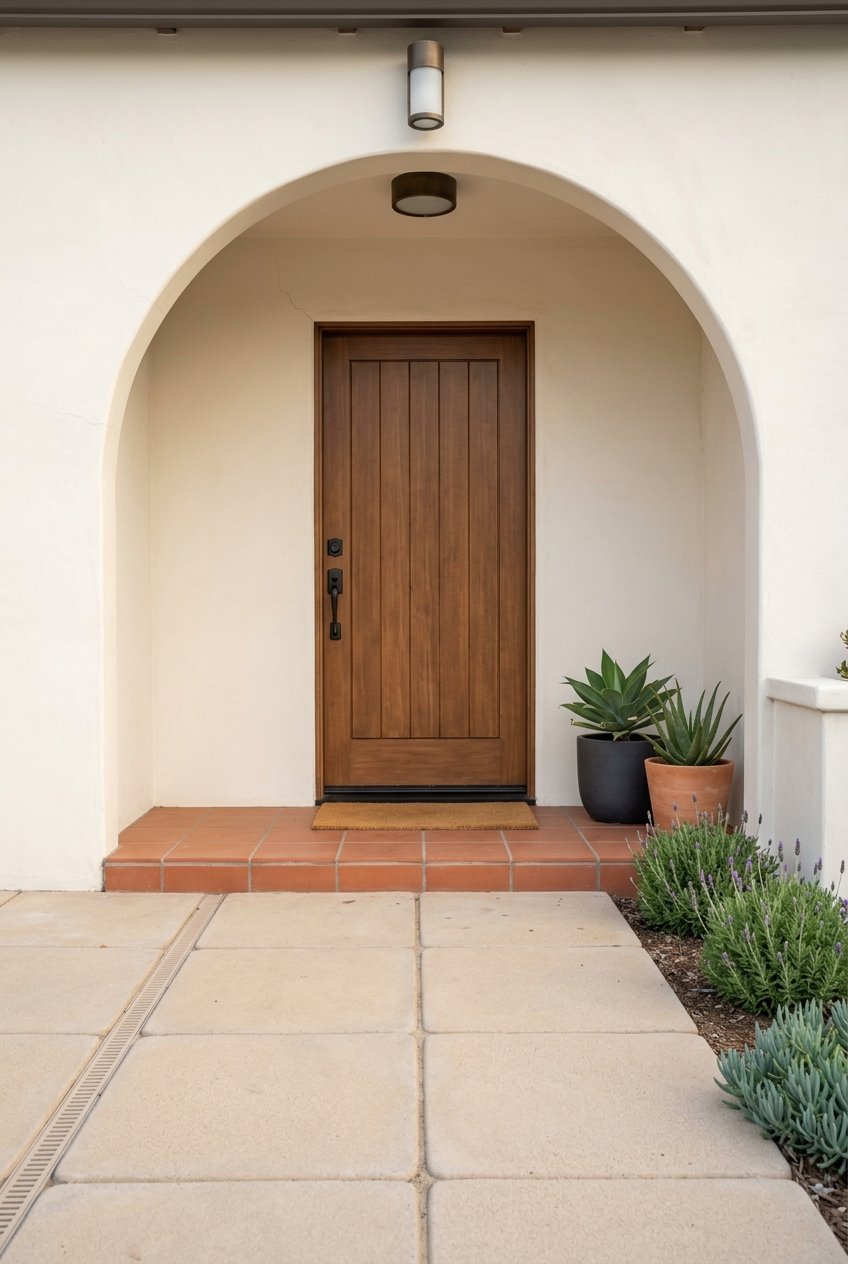
Worried your older San Juan Capistrano home will feel dated next to newer listings? In this market, age alone is not the problem. Buyers often respond well to homes with character, especially in a city where historic identity is part of the appeal. If you prepare the home the right way, you can highlight charm, reduce buyer concerns, and compete more effectively. Let’s dive in.
Why older homes can stand out
San Juan Capistrano is not a place where older homes feel out of step with the market. The city’s historic preservation program highlights assets like the Los Rios Street Historic District, Mission Hill-Mission Flats, adobe buildings, and older ranch and farmhouse properties. The city also notes 13 sites or districts on the National Register of Historic Places.
That local history matters because older-home character is part of the community story. SCAG reports that 20.3% of the city’s housing stock was built before 1970, so buyers are not looking at older homes as a rare exception. In a market where Redfin reported a March 2026 median sale price of $1.43 million and an average 25 days on market, strong presentation still matters.
For homes near downtown and the mission area, location can add another layer of value. Mission San Juan Capistrano describes the area as a walkable historic destination with shops, restaurants, the train station, and multiple historic assets nearby. That means your home’s setting may be part of the selling story, not just the square footage.
Start with the right prep mindset
The goal is usually not to make an older home look brand new. In San Juan Capistrano, buyers are often more receptive to cared-for character than to a full erase-and-replace remodel. The better strategy is to keep authentic features that add warmth, while removing the signs of neglect that create doubt.
A simple way to think about it is this: restore the best parts, neutralize the distractions, and document the work. That approach lines up with buyer behavior and helps your home feel both appealing and trustworthy. It also helps you spend money where buyers are most likely to notice it.
Focus on visible first impressions
Before you think about larger updates, tackle the basics that shape buyer perception the fastest. Cleanliness, light, and condition have an outsized impact in older homes because buyers tend to read deferred maintenance as future cost.
For many sellers, the highest-impact early improvements are:
- Deep cleaning throughout
- Decluttering and simplifying each room
- Fresh paint in a neutral palette
- Updated or brighter lighting
- Flooring repairs or replacement where wear is obvious
- Cleaner window treatments or no-fuss replacements
- Front entry touch-ups
- Landscaping cleanup and trimming
These are not flashy projects, but they change how the home feels in photos and in person. In an established market like San Juan Capistrano, that can help your home feel well cared for without stripping away its personality.
Stage the rooms buyers notice most
If your budget is limited, staging every room is not always necessary. The National Association of Realtors’ 2025 Profile of Home Staging found that 83% of buyers’ agents said staging made it easier for buyers to visualize a property as a future home. The rooms most often identified as most important to stage were the living room, primary bedroom, and kitchen.
That gives you a practical roadmap. If you are deciding where to invest, start with the rooms that shape emotional response and daily-living appeal. Those spaces do more of the heavy lifting than secondary rooms packed with furniture or personal items.
A lighter-touch staging plan may include:
- Removing oversized furniture
- Adding balanced lighting
- Using simple bedding and neutral textiles
- Clearing kitchen counters
- Styling the living room for conversation and flow
- Making the primary bedroom feel calm and spacious
NAR also reported that 19% of sellers’ agents said staging increased dollar value offered by 1% to 5%, and 30% said it slightly reduced time on market. Even if you skip full-service staging, decluttering and correcting visible property faults can still improve how buyers respond.
Fix what signals deferred maintenance
Older homes do not need to be perfect, but they should not leave buyers guessing about obvious problems. Small visible issues can make a larger impression than sellers expect. A dripping faucet, cracked outlet cover, damaged trim board, or stained ceiling can shift attention away from the home’s strengths.
Focus first on repairs that make the property feel maintained. Buyers are often more comfortable with an older kitchen or bath if the home feels sound, clean, and cared for. They are less comfortable when cosmetic age is mixed with signs of ignored upkeep.
Prioritize items such as:
- Leaks or water stains
- Broken hardware or fixtures
- Chipped paint and worn caulking
- Loose handrails or gates
- Damaged flooring transitions
- Non-working lights or switches
- Obvious exterior wood damage
- Overgrown or uneven landscaping
This is where experience matters. A targeted repair plan usually does more for marketability than trying to modernize every inch of the house.
Check disclosures early, not late
With an older home, prep is not just visual. It is also about reducing transaction friction before buyers start asking questions. Sellers in California should think about disclosures early because known issues, hazards, and property conditions can affect both negotiations and timing.
The California Department of Real Estate says sellers of 1 to 4 unit residential property must provide a Real Estate Transfer Disclosure Statement. The same DRE guidance notes that the TDS is not a warranty and not a substitute for inspections, but it does require disclosure of known conditions and environmental hazards.
The DRE booklet specifically mentions known hazards such as:
- Asbestos
- Radon gas
- Lead-based paint
- Formaldehyde
- Fuel or chemical storage tanks
- Contaminated soil or water
Getting organized early helps you avoid a scramble once escrow is underway. It also gives buyers more confidence that the home has been presented honestly.
Know when lead-based paint rules apply
If your home was built before 1978, lead-based paint disclosure may be part of the sale. The EPA says the federal lead-based paint disclosure rule applies to most pre-1978 housing, requires sellers to disclose known lead information and available records before sale, and gives buyers a 10-day period to conduct a paint inspection or risk assessment.
For older-home sellers, this is another reason to prepare paperwork in advance. Even if lead paint is not an active issue in the home, the disclosure requirement can still apply based on the age of the property. Handling it early keeps the process cleaner and more predictable.
Review natural hazard disclosure needs
Natural hazard disclosures can also affect the transaction. The California Geological Survey says the Natural Hazards Disclosure Act requires disclosure when a property lies within state-mapped hazard areas. The DRE lists categories such as earthquake fault zones, seismic hazard zones, special flood hazard areas, areas of potential flooding, and very high fire hazard severity zones.
This is not the kind of issue you want to discover in the middle of a negotiation. If the property falls within a mapped area, that should be documented correctly from the start. For older homes, buyers often expect more due diligence, so being prepared helps keep the deal moving.
Consider a pre-listing pest inspection
A wood-destroying organism inspection is not required for every sale, but it often becomes important anyway. The DRE says a report must be delivered if required by contract or lender, and the Structural Pest Control Board says most lending institutions require a WDO inspection before financing.
That is why a termite or pest inspection can be a smart pre-listing step for an older San Juan Capistrano home. It gives you a chance to address issues on your timeline instead of reacting under pressure. It can also reduce the odds of a late renegotiation.
Confirm whether historic review applies
Not every older home in San Juan Capistrano is officially historic. That distinction matters because sellers should not assume historic review rules apply unless the property is actually on the city’s Inventory of Historic and Cultural Landmarks or another protected list.
If the home is officially designated historic, San Juan Capistrano requires Site Plan Review for projects involving sites on the IHCL. The city says alterations, additions, relocation, or demolition of a landmark go through that process, and processing can take three to eight months depending on complexity.
That timeline is important if you are thinking about making major changes before listing. A project that seems simple may involve materials boards, elevations, photos, landscape details, lighting, and construction information. If the home is designated, it is wise to verify what is allowed before starting work.
Use historic status carefully and correctly
If your property is designated historic, that can be a meaningful selling point. The city says designated properties may be eligible for benefits such as the Historic Building Fee Waiver, the Historic Building Code, and Mills Act tax relief. But those benefits should only be mentioned when the status and paperwork are clear.
In other words, do not market a home as historic just because it is old. Buyers respond best when the home’s story is authentic and documented. Clear facts build trust, while vague claims can create confusion.
Build a listing story around care
The strongest message for an older San Juan Capistrano home is usually not “fully modernized.” It is more often “well-maintained, thoughtfully prepared, and true to its setting.” That is especially effective in a city known for the mission area, Los Rios, adobes, ranch homes, and preserved historic character.
A strong listing story often includes:
- Original details that still show well
- Updates that improve comfort and function
- Clear evidence of maintenance
- Clean, bright photography
- Thoughtful staging in key rooms
- Organized disclosures and reports
- Accurate documentation if the home has historic designation
This kind of presentation helps buyers see value instead of risk. It also supports smoother negotiations because the home feels both appealing and transparent.
A smart prep plan for sellers
If you want a simple order of operations, start here:
- Declutter and deep clean the entire home.
- Identify visible repairs that make the home feel neglected.
- Refresh paint, lighting, flooring, and landscaping as needed.
- Stage the living room, primary bedroom, and kitchen first.
- Gather disclosure information early.
- Confirm whether lead-based paint disclosure applies.
- Review natural hazard disclosure requirements.
- Consider a pre-listing termite or pest inspection.
- Verify whether the property has official historic designation.
- Build your marketing around character, condition, and documentation.
That plan helps you control cost while improving market readiness. It also fits how buyers evaluate older homes in a high-value market like San Juan Capistrano.
Selling an older home here is rarely about hiding age. It is about showing that the home has been respected, prepared, and priced with the market in mind. When you combine targeted updates, strong presentation, and solid documentation, character becomes an asset instead of a question mark.
If you want practical guidance on how to position your older home for today’s market, call Tom Bertog for a personal market consultation.
FAQs
What are the best updates for an older San Juan Capistrano home before listing?
- The most practical updates are usually deep cleaning, decluttering, fresh neutral paint, improved lighting, visible repair work, flooring touch-ups, and landscaping cleanup, with staging focused on the living room, primary bedroom, and kitchen.
Does a pre-1978 San Juan Capistrano home require lead-based paint disclosure?
- Yes, most pre-1978 housing is subject to lead-based paint disclosure rules, and sellers must disclose known lead information and available records before sale.
Should sellers get a termite inspection for an older San Juan Capistrano home?
- It is often a smart pre-listing step because many lenders require a wood-destroying organism inspection before financing, even though it is not required by law for every sale.
Do all older San Juan Capistrano homes count as historic properties?
- No, an older home is not automatically a historic property, and sellers should confirm whether the home is actually on the city’s Inventory of Historic and Cultural Landmarks or another protected list.
How long can historic review take for a designated San Juan Capistrano property?
- For projects involving officially designated historic sites on the IHCL, the city says Site Plan Review can take about three to eight months depending on the complexity of the project.
