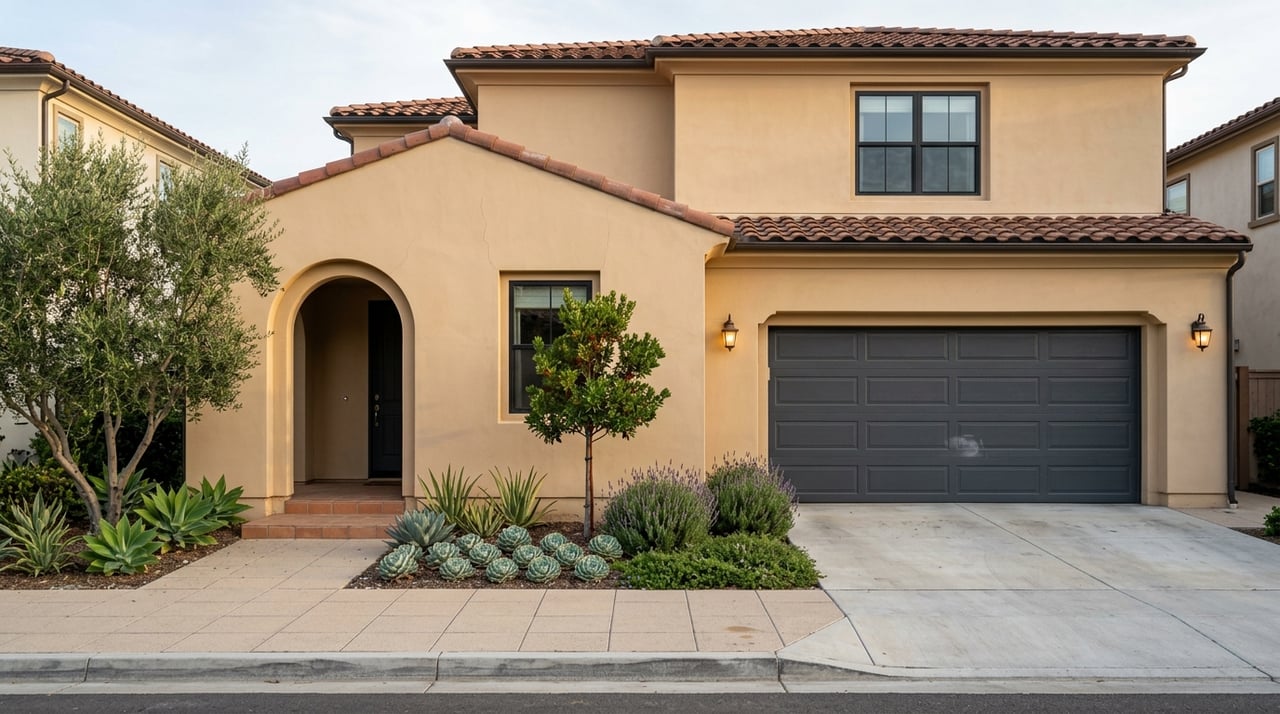
Selling a home in Ladera Ranch is not just about putting a sign in the yard and waiting for offers. Between HOA paperwork, community-specific open house rules, California disclosures, and Orange County closing costs, the timeline can feel more layered than many sellers expect. The good news is that when you know what happens when, you can avoid common delays and move forward with more confidence. Here is a practical step-by-step look at how to sell your Ladera Ranch home with less stress and better preparation.
Start With a Pre-Listing Plan
In Ladera Ranch, your selling timeline often begins 2 to 6 weeks before listing. That early window gives you time to handle repairs, gather disclosures, and request HOA documents before your home hits the market.
This matters because Ladera Ranch is not one uniform neighborhood. It is an unincorporated Orange County master-planned community with multiple districts, villages, and neighborhoods, plus a master HOA structure that can affect the details of your sale. That means pricing, buyer expectations, and even prep decisions should reflect your home’s specific micro-location.
Focus on Micro-Location
Before listing, you want to look at recent comparable sales that truly match your part of Ladera Ranch. A home in one village or neighborhood may not compete directly with a similar model elsewhere if location, HOA setup, or lot placement differs.
This is where local market knowledge can make a real difference. Pricing based on the right segment of the community can help you launch with a strategy that feels competitive and realistic.
Gather HOA Documents Early
If your home is in a common-interest development, California Civil Code requires sellers to provide HOA resale documents as soon as practicable before transfer or contract execution. Once requested in writing, the association generally has 10 days to provide those documents.
The resale package can include governing documents, budget and assessment information, unpaid dues or fines, and notices of unresolved violations. If you wait too long to request this paperwork, your timeline can tighten fast.
Check Exterior and Showing Rules
LARMAC manages common areas and the architectural and code-enforcement process in Ladera Ranch. If you are planning exterior touch-ups, visible improvements, or anything that could involve community review, it is smart to confirm the rules before work starts.
You should also review real estate sign and showing guidelines early. Small details that seem minor at first can affect how smoothly your listing launch goes.
Prepare Your Home for Market
Once the paperwork is underway, turn your attention to presentation. This is the stage for repairs, cleaning, staging decisions, and listing photos.
A well-prepared home does more than look nice online. It can also reduce buyer objections later, especially when your condition and disclosures line up clearly from the start.
Build a Clear Disclosure Packet
In California, timing around disclosures matters. Required residential disclosures should be delivered as soon as practicable before transfer of title or execution of the sales contract.
If disclosures or material amendments are delivered after an offer is accepted, the buyer generally gets a window to terminate the offer. That is one reason many sellers benefit from getting the disclosure packet ready before the first showing whenever possible.
Be Ready to Explain Community Costs
Ladera Ranch has a master HOA structure that buyers will want to understand. State consumer guidance also points buyers toward asking about HOA dues, assessments, and special taxes.
For your sale, that means you should be prepared to explain the community structure and any relevant fees up front. It is also wise to account for the LARCS Community Enhancement Fee in your planning, since it applies at sale or resale.
Launch Your Listing the Right Way
Listing week should feel organized, not rushed. By the time your home goes live, you ideally want photos done, pricing set, disclosures assembled, and community logistics already handled.
A clean launch can help you market your home with fewer interruptions and less backtracking once buyers start asking questions.
Schedule Open Houses Around LARMAC Rules
Open houses in Ladera Ranch come with specific community rules. According to LARMAC guidelines, open houses may be held only on Saturdays and Sundays from 10:00 a.m. to 6:00 p.m. and must be requested at least five working days in advance.
They also must be authorized by LARMAC. Signage is subject to limits on size, wording, placement, and removal, and guests entering through the gate for an open house must specify the property address to receive a pass.
Avoid Late-Packet Problems
One of the easiest ways to create stress during launch week is to market the property before your paperwork is in order. If HOA documents or disclosures arrive late, buyers may pause, renegotiate, or use their review window to cancel.
That does not mean every transaction will be delayed by missing paperwork. It does mean that complete upfront preparation gives you a better chance at a smoother negotiation.
Move From Offer to Escrow
Once you accept an offer, your timeline shifts from marketing to contract management. At this point, the sale usually moves through inspections, contingency deadlines, escrow coordination, and lender processing.
In practical terms, this phase usually takes several weeks, not just a few days. The exact pace depends on the contract terms and how quickly each moving part comes together.
Expect Contingencies to Drive the Calendar
California transaction timelines often revolve around contingency periods. These can involve buyer loan approval, property inspections, repairs, or other agreed deadlines.
Instead of thinking about escrow as one single closing date, it helps to think of it as a sequence of checkpoints. When each checkpoint is handled on time, the sale is more likely to stay on track.
Understand the Escrow Process
In California, escrow is commonly handled by an independent escrow company or a title insurance company. During this stage, signatures are collected, conditions are satisfied, and the parties work toward recording.
For financed purchases, lender timing also matters. The buyer’s lender must provide the Closing Disclosure at least three business days before closing, so last-minute loan changes can push the schedule.
Keep Repair and Review Decisions Moving
This is the stage where delays often come from slow responses, incomplete documents, or unresolved repair questions. If your HOA packet, disclosure package, and repair strategy were handled early, you are already in a stronger position.
That early preparation does not guarantee a perfectly smooth escrow, but it can reduce avoidable friction when the buyer, lender, title company, and escrow officer all need information at once.
Plan for Closing Costs in Orange County
Your sale proceeds are not just the contract price minus your mortgage balance. Local fees and Ladera Ranch-specific costs should be part of your seller net estimate from the beginning.
Knowing these costs early helps you set realistic expectations and make better decisions during negotiations.
County Recording and Transfer Charges
At recording in Orange County, sellers may see charges that can include a documentary transfer tax of $0.55 per $500 of consideration. The county fee schedule also lists a $12 first-page recording fee, a $75 SB 2 fee, and a $10 District Attorney fraud fee on certain recordings, subject to exemptions.
These are part of the local closing-cost picture and can appear on the final settlement statement. Your exact total will depend on the documents recorded and how the transaction is structured.
LARCS Community Enhancement Fee
Ladera Ranch also has its own sale-related fee structure through LARCS. According to official community materials, the Community Enhancement Fee is 1/4% on resales.
That fee is separate from county recording charges. If you want a realistic estimate of your net proceeds, this should be included in your calculations early, not discovered at the end.
Know What Happens After Closing
Closing day is a milestone, but it is not always the final piece of the story. In Orange County, a transfer of ownership can trigger a supplemental property tax bill.
This bill is separate from the regular annual secured property tax bill. It is generally prorated from the transfer date through June 30 and is typically not paid through mortgage impound accounts.
Watch for Supplemental Tax Issues
If a supplemental bill is issued after the sale, the county advises contacting the Assessor if the property changed hands during the billing period and the bill needs to be prorated between seller and buyer.
This is one more reason to keep your final paperwork organized after the transaction closes. Good records can make post-closing follow-up much easier.
A Simple Timeline to Keep in Mind
If you want the process in one practical snapshot, here is the general flow:
- 2 to 6 weeks before listing: prepare the home, request HOA documents, gather disclosures, and confirm any community rules that affect repairs or marketing.
- Listing week: finalize pricing, complete photos, activate the listing, and schedule any open houses within LARMAC rules.
- Accepted offer to close: work through inspections, contingencies, escrow, lender steps, and final signatures over several weeks.
- Closing and after: review your settlement statement, account for county and community fees, and watch for any supplemental tax follow-up.
For many sellers, the biggest win is simply getting ahead of the paperwork. When your disclosures, HOA materials, and community-specific logistics are handled early, the rest of the timeline tends to feel much more manageable.
If you are thinking about selling in Ladera Ranch and want a steady, experienced guide through pricing, preparation, negotiation, and escrow, call Tom Bertog for a personal market consultation.
FAQs
What is the typical timeline for selling a home in Ladera Ranch?
- A practical timeline is often 2 to 6 weeks before listing for prep and paperwork, followed by listing launch, then several more weeks from accepted offer to closing depending on inspections, escrow, and lender timing.
What HOA documents do Ladera Ranch home sellers need?
- Sellers in a common-interest development generally need HOA resale documents that can include governing documents, budget and assessment information, unpaid dues or fines, and notices of unresolved violations.
What are the open house rules for Ladera Ranch home sales?
- LARMAC guidelines say open houses may be held only on Saturdays and Sundays from 10:00 a.m. to 6:00 p.m., must be requested at least five working days in advance, and must be authorized by LARMAC.
What fees should sellers expect when selling a home in Ladera Ranch?
- Sellers should plan for Orange County recording-related charges and the LARCS Community Enhancement Fee, which official community materials list as 1/4% on resales.
Why do disclosures matter in a Ladera Ranch home sale?
- California disclosure timing can affect a buyer’s cancellation rights, so having disclosures ready early can help reduce delays and avoid complications after an offer is accepted.
What happens after closing on a home sale in Orange County?
- After closing, a supplemental property tax bill may be issued due to reassessment from the transfer of ownership, and it is generally separate from the regular annual property tax bill.
