Welcome to
Central
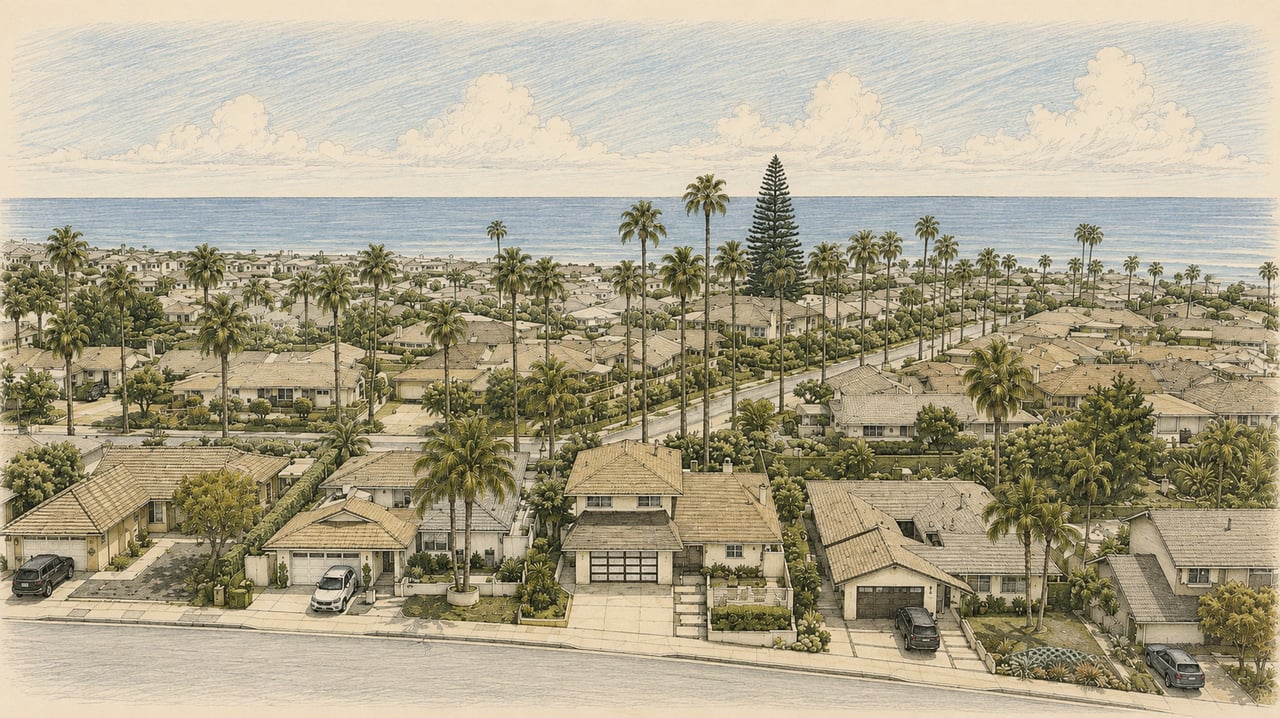
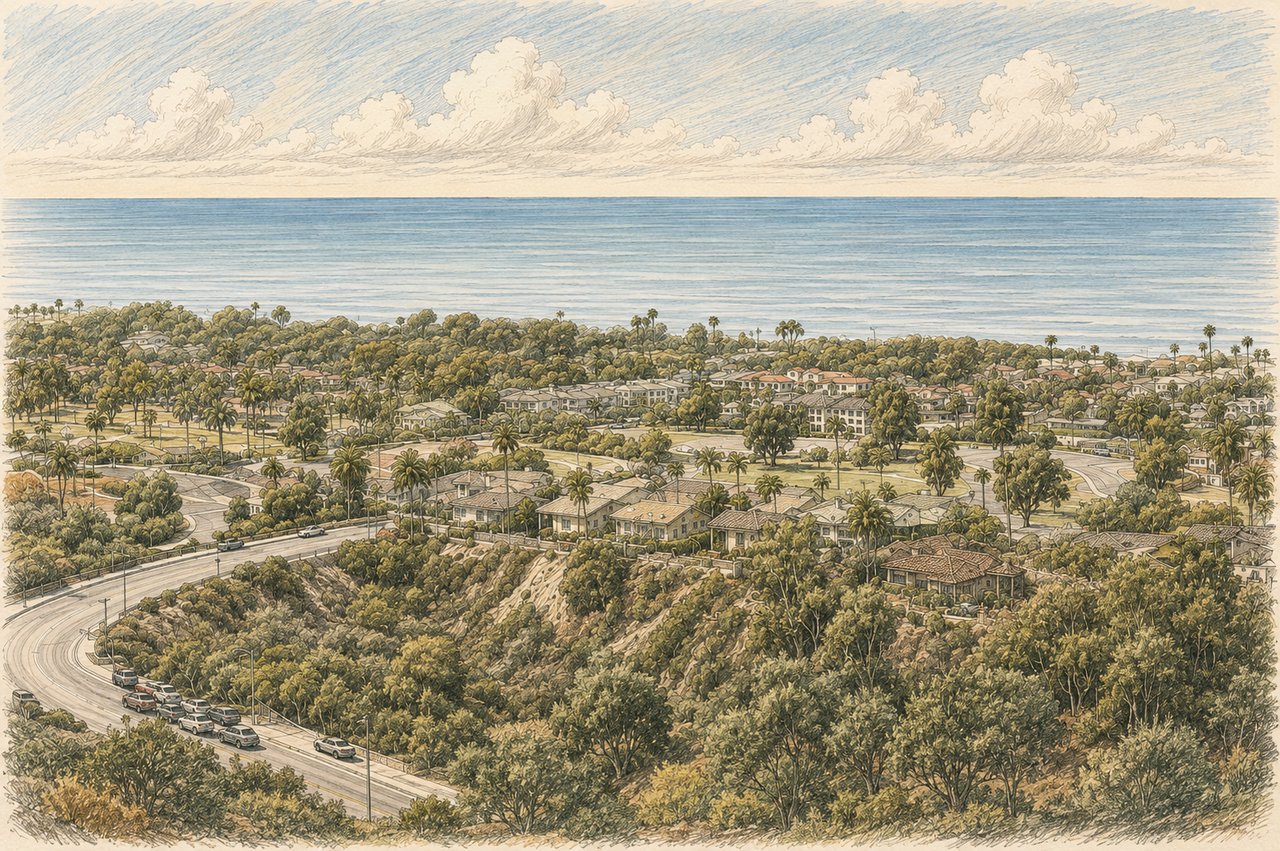
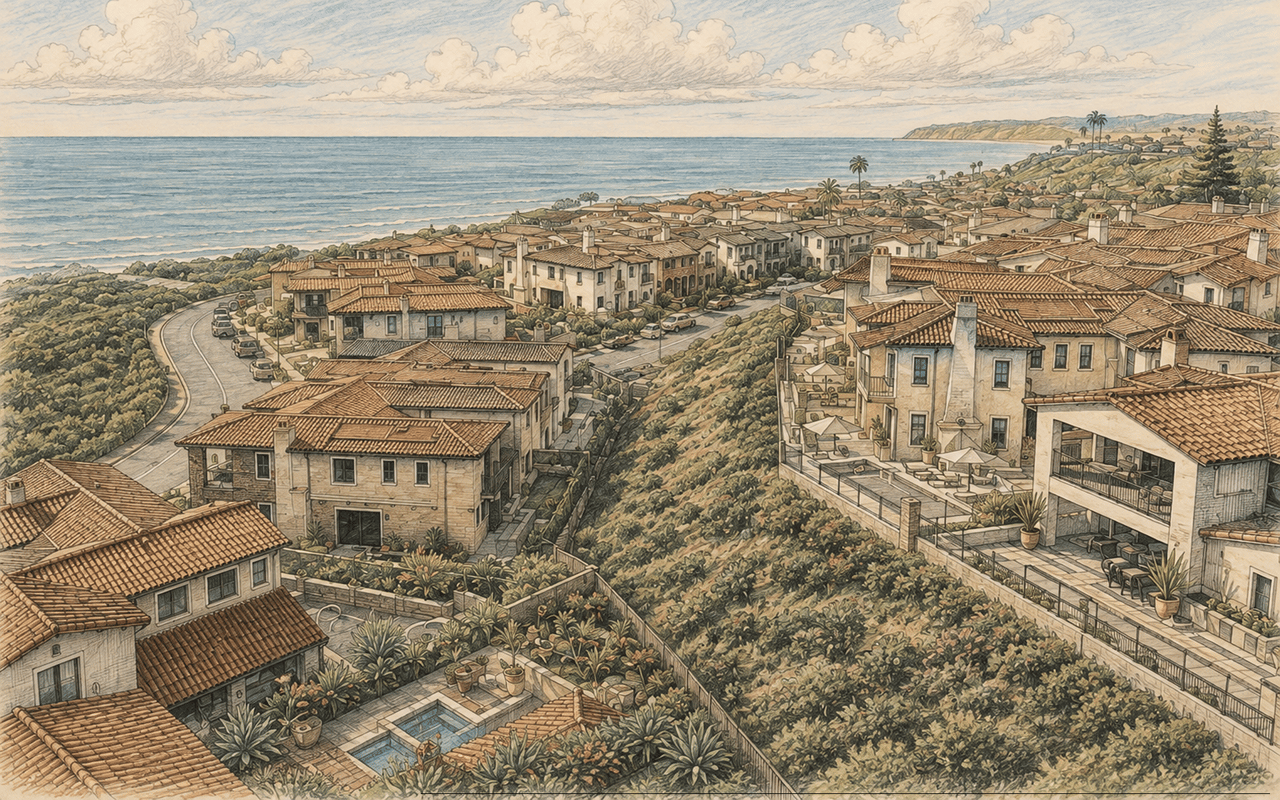
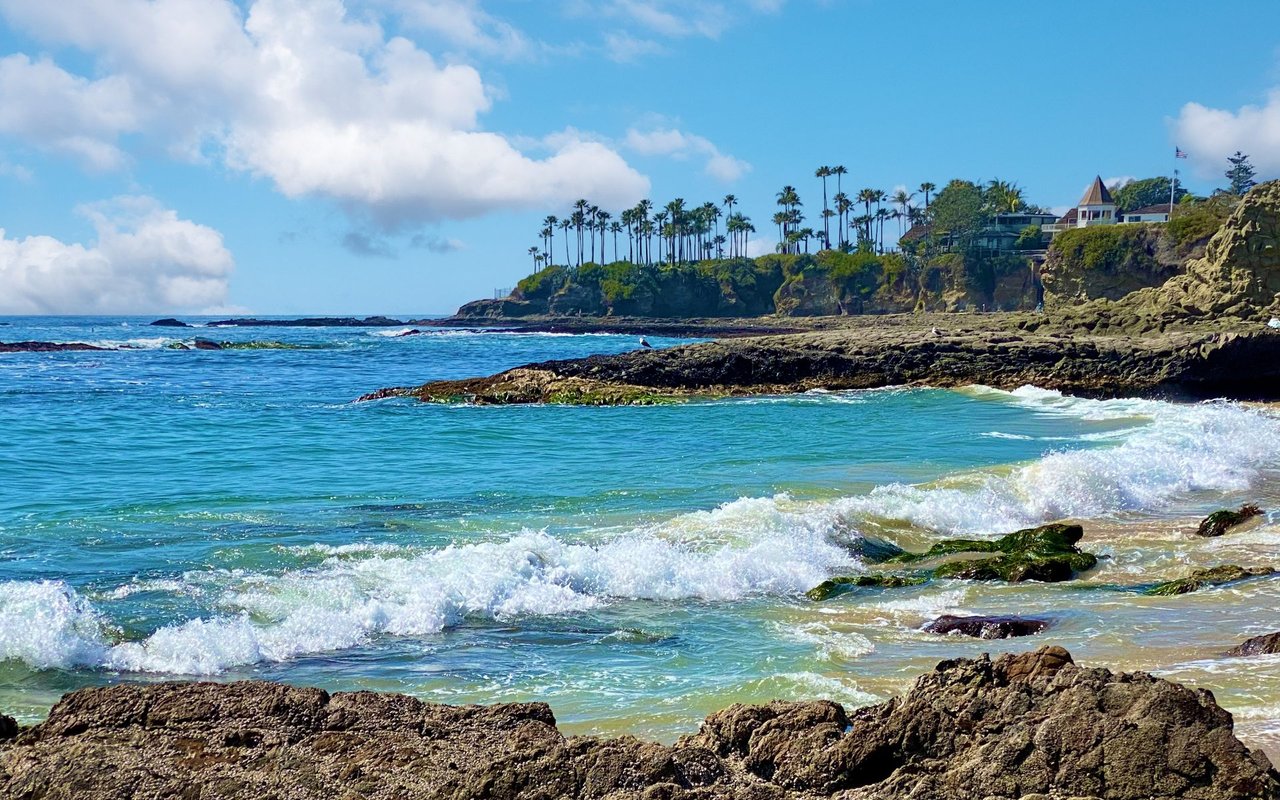
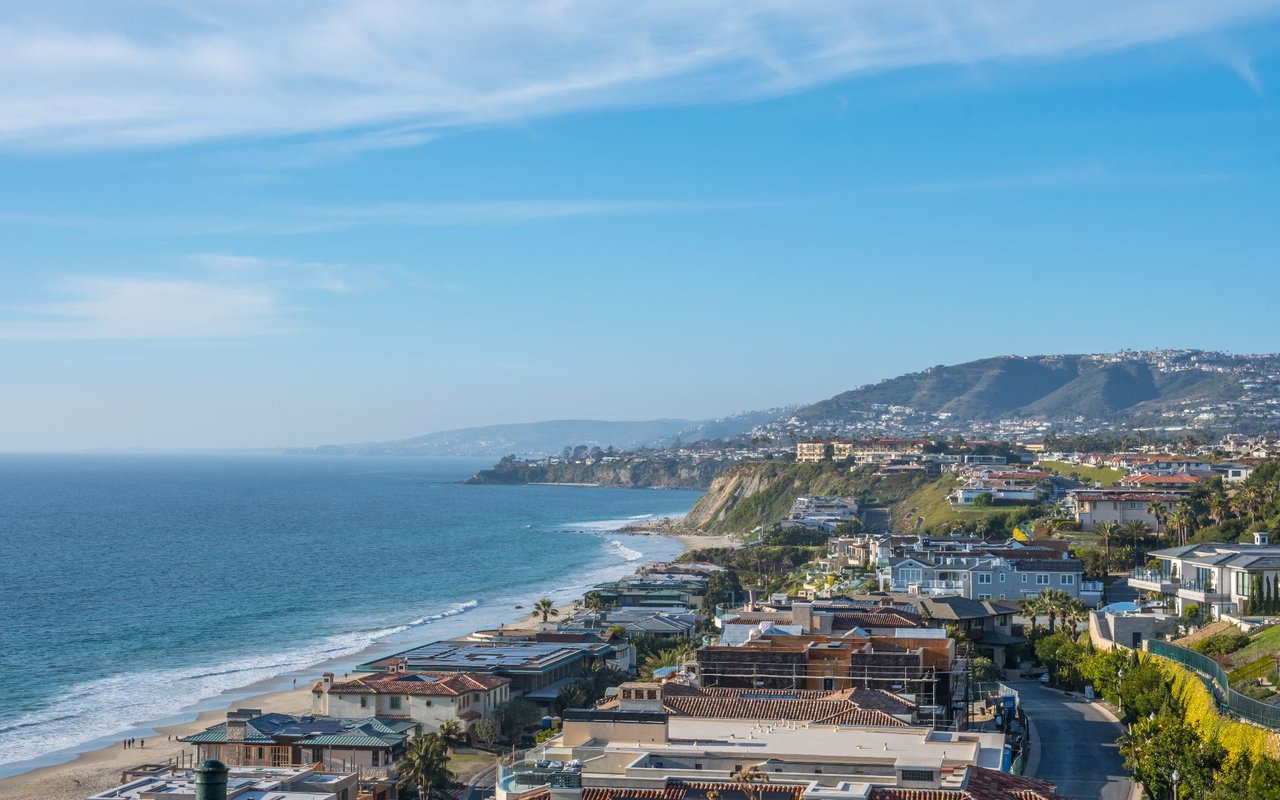
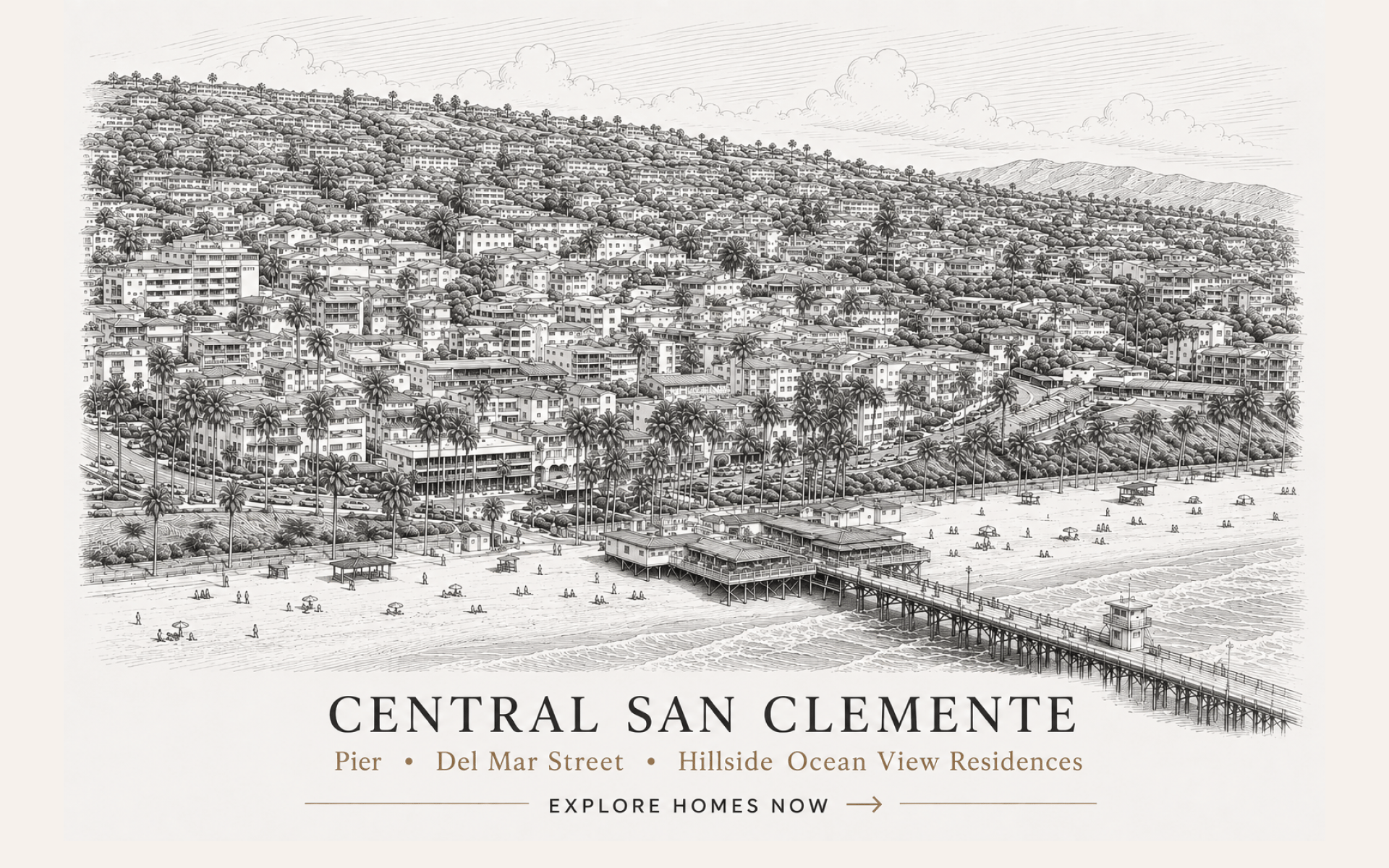
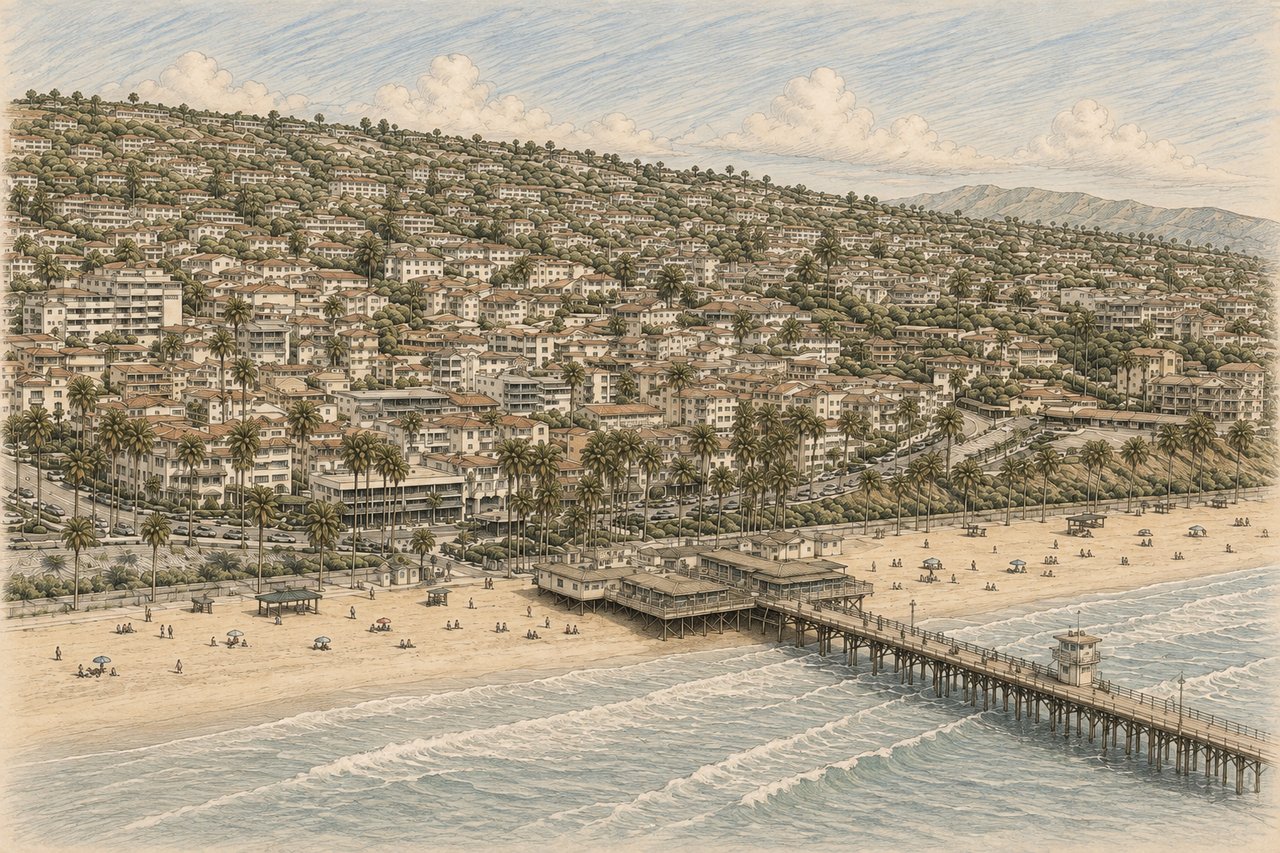
Experience the heart of San Clemente, pairing downtown energy near Avenida Del Mar with quiet hillside ocean views.
That range is exactly why I do not treat Central San Clemente as one uniform real estate market. A condo a few blocks from the Pier, an Ole Hanson-era house near Avenida Granada, a duplex near downtown and a single-level ocean-view home on The Hill may all carry a Central San Clemente label, yet they attract different buyers and should be evaluated very differently.
For me, the central question is not simply, “Do you want to live in Central San Clemente?” It is: Do you want to walk to coffee and dinner, walk to the Pier, own a piece of San Clemente history, live with the activity of a true beach town, or rise above downtown for a quieter street and a broader ocean view? Central gives you all of those possibilities, but usually not in the same property.
For a broader look at how Central compares with the rest of town, start with my San Clemente community and neighborhood guide.
Real estate maps do not always draw Central San Clemente the same way. In practical local terms, I think of Central as the area surrounding downtown and the Pier Bowl, extending through the older residential streets west and east of El Camino Real and climbing into the hillside neighborhoods commonly known as The Hill.
The most important reference points are not map boundaries. They are Avenida Del Mar, El Camino Real, Avenida Victoria, the Pier, the Beach Trail, Casa Romantica, Avenida Granada, Avenida Miramar, Mariposa, Palizada, Presidio and the hillside streets above downtown. Once a buyer understands those landmarks, Central starts making much more sense.
A property west of El Camino Real and close to Avenida Victoria may live like a true beach property. A house only a short distance away but higher on the hill may require more effort to walk home yet offer dramatically more privacy, parking and view. That is why I want buyers looking at the route, grade and street - not just the mileage shown on a listing portal.
I break Central into a few practical micro-markets because the housing, daily routine and buyer priorities change so much between them:
These are not hard legal boundaries. They are useful real-estate distinctions. If a listing simply says “Central San Clemente,” I still want to know which of these environments the home actually belongs to.
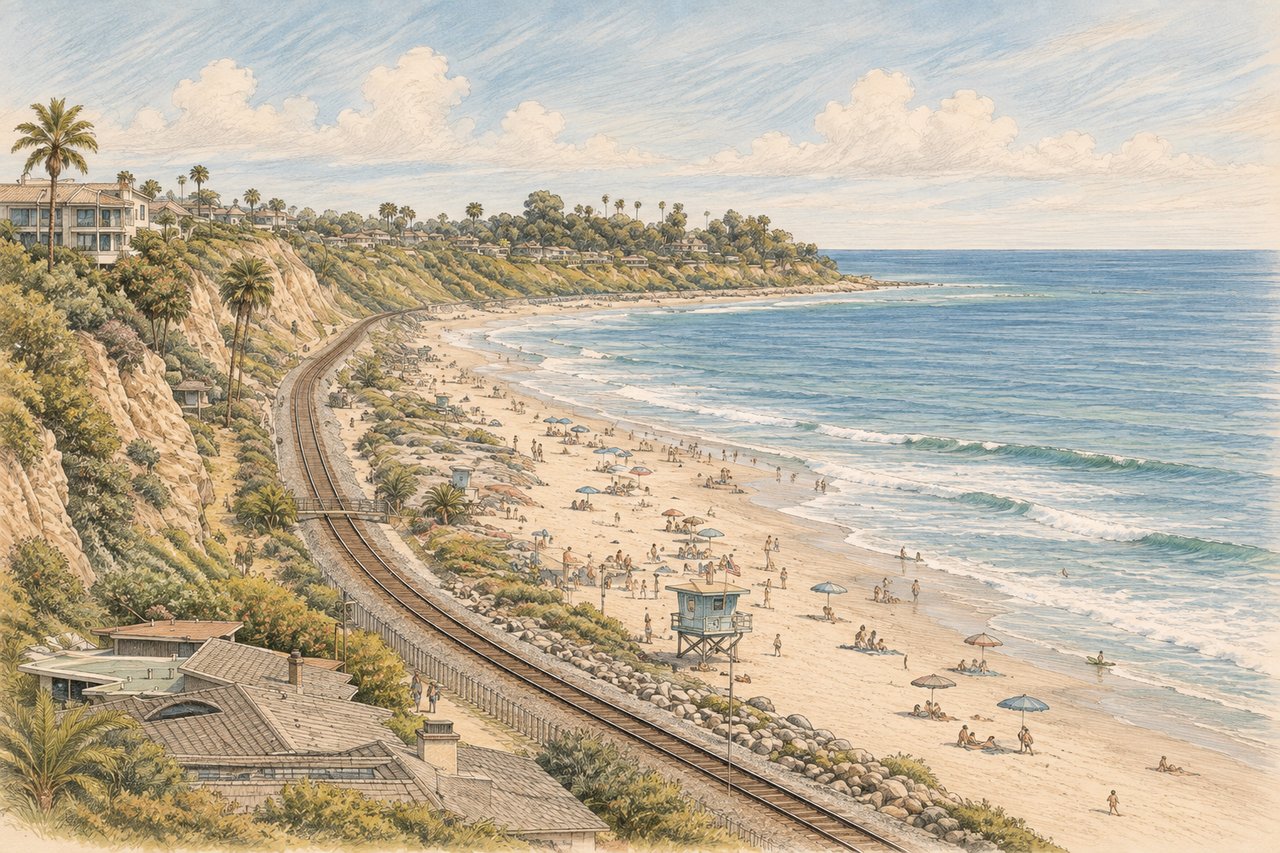
The Pier Bowl is one of the most recognizable residential settings in San Clemente. The streets descend toward Avenida Victoria, the San Clemente Pier and the beach, creating a compact coastal environment where homes, condos, restaurants, small hotels, the rail line and the Beach Trail are all layered close together.
For the right buyer, that concentration is the entire point. You may be able to leave the car parked and walk to the Pier, the sand, coffee, dinner, Avenida Del Mar, the train and the Beach Trail. There are very few places in Orange County where the town and the beach are connected this tightly.
But the same features that create the lifestyle also create the tradeoffs. Parking can be difficult on busy weekends. Train sound is part of the environment. Pedestrian activity increases around the beach and Pier. Some buildings have tight garage configurations. Steep streets and stairs can turn a short map distance into a very different walk home.
I also separate “near the Pier” from “easy Pier access.” A property that sits above the Pier Bowl may be visually close to the water but involve a substantial grade. Another home may be farther away in straight-line distance but have a much easier pedestrian route. That difference matters if walkability is one of the reasons you are paying a Central San Clemente premium.
Avenida Victoria is the physical connection between the lower end of Avenida Del Mar and the Pier. Residential buildings along and near Victoria can place you directly inside the Pier Bowl experience, while streets such as Avenida Granada rise above it and can trade immediate beach-level access for elevation, views and a little more separation from the activity below.
Avenida Granada is also historically important because Casa Romantica sits above the Pier Bowl at 415 Avenida Granada. The property was Ole Hanson’s home and remains one of the defining landmarks of the original Spanish Village by the Sea.
This is a good example of why Central real estate cannot be understood from a flat map. The horizontal distance between the Pier and the streets above it may be small. The vertical relationship is not. In Central San Clemente, elevation changes lifestyle.
Avenida Del Mar is the center of daily downtown life. Restaurants, coffee shops, boutiques, services and community events line the commercial blocks before the street bends downhill toward Avenida Victoria and the Pier.
Living near Del Mar appeals to buyers who want a more urban version of San Clemente - not urban in the high-rise sense, but in the sense that everyday errands and social life can happen on foot. A buyer may walk to breakfast, pick up coffee, meet friends for dinner, browse shops and continue down toward the Pier without getting in the car.
The closer you are to the commercial core, however, the more carefully I evaluate parking, delivery activity, evening noise, event days, visitor traffic and the relationship between the home and nearby commercial or multifamily buildings. A charming cottage one block from downtown can be an entirely different ownership experience from a detached home six or seven blocks away on a quieter residential street.
That is why “walk to Del Mar” is not enough description for me. I want to know what the block feels like at 8 a.m., 5 p.m. and a summer Saturday night.
Central San Clemente contains one of the strongest concentrations of the architecture and street patterns associated with the city’s early development. Streets such as Avenida Miramar, Avenida Granada, West Marquita, West Mariposa, Avenida Cabrillo, Avenida La Cuesta, Avenida Victoria, Avenida Monterey and West Avenida Palizada contain historic resources and older homes that help explain why San Clemente still feels different from newer coastal communities.
Not every Spanish-style house is an original Ole Hanson home, and not every older property has the same historic status. That distinction matters. Age, architectural style, formal designation, integrity and the City’s individual historic-resource records should be checked separately rather than relying on a listing description.
I go much deeper into that issue in my street-by-street guide to San Clemente’s Ole Hanson homes.
For buyers, the appeal can be enormous: arches, courtyards, clay tile, original detailing, mature landscaping and the sense that the house belongs to the original fabric of San Clemente. But older homes also require more due diligence around additions, foundations, electrical systems, plumbing, windows, roofs, drainage and whether past work was permitted.
If you are considering one, I also recommend reading Buying an Older Home in San Clemente: What I Look For Before My Buyers Fall in Love.
Casa Romantica is more than a landmark on a tourist map. Its position above the Pier Bowl helps explain the original planning idea behind San Clemente: a Spanish-inspired coastal town shaped around views, public gathering spaces, the beach and a recognizable architectural identity.
For nearby real estate, that history matters because the surrounding streets are not generic coastal infill. Some properties sit within or near areas subject to additional design and historic-review considerations. Buyers planning major exterior changes, additions or redevelopment should understand the applicable City rules before assuming a project will be treated like a typical tract-home remodel.
I would rather identify those constraints before a buyer falls in love with a renovation concept than after closing.
Above downtown, Central San Clemente changes dramatically. The area locals commonly call The Hill is generally associated with four established tracts: Broadmoor, Pacifica, Rancho Margarita and Hillcrest.
These neighborhoods are important because they can offer something difficult to duplicate elsewhere in central San Clemente: elevated ocean and coastline views combined with an established residential setting and relatively quick access back to downtown and the freeway.
The Hill also contains a meaningful amount of single-level housing. That is a significant distinction in San Clemente, where steep topography and newer multilevel construction can make one-level ocean-view homes difficult to find.
I would not, however, tell a buyer that “The Hill has ocean views” and stop there. Street position, orientation and elevation can change the outlook dramatically. One home may have a broad view toward the Pacific, Catalina, Dana Point and the coastline. Another home a few doors away may have a partial horizon view over rooftops. That difference should be reflected in both the buying decision and the valuation.
Broadmoor is one of the best-known Hill neighborhoods and is often part of the conversation when buyers ask me about single-level homes, larger lots and elevated views close to central San Clemente.
The real estate here should still be evaluated home by home. Lot width, rear exposure, neighboring rooflines, remodel quality and view corridor can create meaningful differences between properties that appear similar in square footage.
View preservation is also a due-diligence issue. I never tell a buyer a view is “protected” simply because it looks open today. Any restrictions, HOA rules, recorded documents or City limitations that may affect neighboring improvements need to be verified for the specific property.
Pacifica is another established Hill pocket where elevation and orientation become central to value. Homes can have a quieter residential feel than the Pier Bowl while remaining only minutes from downtown.
This is where a buyer needs to decide what kind of Central San Clemente lifestyle matters more: immediate pedestrian access to the coast or the privacy and broader outlook that can come with elevation. Some buyers happily trade a longer walk to the Pier for a larger yard, calmer street and sunset view. Others want the beach to be part of the daily walk and prefer to stay lower.
Rancho Margarita continues the Hill’s mix of established homes, view potential and larger residential lots. Original homes, substantial remodels and major rebuilds can sit relatively close together, which means condition and quality vary widely.
For valuation, I do not assume a remodeled home and an original-condition home in the same tract are interchangeable. I also do not assume the more expensive remodel automatically wins. A superior lot, better view, more privacy or more functional single-level layout can matter as much as finishes.
Hillcrest rounds out the four Hill communities and reinforces the same lesson: the tract name gets you into the right part of the market, but the individual street and lot finish the analysis.
In elevated Central San Clemente, I pay particular attention to wind, afternoon sun, driveway slope, retaining conditions, how much of the yard is actually usable and whether the view is enjoyed from the main living spaces or only from one upstairs room or deck.
Central San Clemente can offer several very different kinds of ocean view. A Pier Bowl condo may have a close, immediate water view with the beach and Pier in the foreground. A historic home above downtown may frame the ocean between neighboring buildings. A Hill property may have a broader panoramic outlook toward Catalina, Dana Point or the coastline but sit farther from the water.
Those should not be valued as if the words “ocean view” mean one thing. I look at width, foreground, orientation, privacy and where the view is actually visible from inside and outside the home.
One of my simplest tests is to sit down. I sit where the sofa would go, at the dining table, on the patio and in the primary bedroom. A view that exists only when standing at one window is still a view, but it is not the same product as a view that fills the kitchen and living room all day.
For a deeper explanation of how I evaluate views throughout town, see my San Clemente ocean-view neighborhood guide.
Central San Clemente offers some of the strongest real walkability in the city, particularly around Downtown, the Pier Bowl and the lower residential streets. But walkability is not uniform.
A home may be only half a mile from Avenida Del Mar and still involve a steep climb. Another may be farther away but connected by a flatter route. The same is true for the Pier. San Clemente’s hills turn simple distance measurements into very different everyday experiences.
When walkability matters, I want buyers to physically walk the route before making the decision. Walk from the property to Del Mar. Walk to the Pier. Then walk back uphill. Do it at the time of day you would actually use it.
Maps do not get tired. People do.
The San Clemente Pier anchors the Central coast at 622 Avenida Del Mar. The area includes beach access, restaurants, restrooms, parking and a train stop, making it one of the most intensely connected coastal locations in the city.
The San Clemente Beach Trail normally links North Beach to Calafia over approximately 2.3 miles, passing the Pier and T-Street along the way. For Central residents, that makes the shoreline more than a beach destination. It can become a walking, running and everyday connection to other parts of town.
The rail line runs directly through this coastal corridor. That is part of San Clemente’s identity, but it also means buyers near the lower coastal streets need to understand train sound, crossings and the exact relationship between the property, the track and the beach access they expect to use.
Parking is one of the least glamorous but most important Central San Clemente real-estate variables.
Older houses may have small or narrow garages. Some multifamily buildings have limited guest parking. Street parking can tighten on summer weekends and event days. A garage that technically fits two cars may not function comfortably for two modern SUVs. A steep driveway can add another layer.
Near downtown and the Pier, I place real value on parking that is easy to use because it changes daily life. The same applies to sellers: if the property has an unusually functional garage, additional driveway parking or easy guest parking for its location, that should be made clear in the marketing rather than treated as a minor detail.
Central San Clemente contains much more than detached single-family homes. The Pier Bowl and downtown-adjacent areas include condos, townhome-style residences, duplexes, triplexes, fourplexes and apartment properties.
That diversity creates a wide range of entry points into Central, but it also means buyers need to be precise about what they are comparing. An ocean-view condo with an elevator and secure parking is not competing with every condo in 92672. A small building with low dues may offer a completely different ownership experience from a larger association with more common infrastructure.
For attached properties, I look closely at HOA reserves, insurance, planned assessments, parking, storage, rental rules, floor level, elevator access, orientation, outdoor space, view and how much common-area maintenance the association is responsible for.
Central San Clemente includes areas where visitor activity can be much more noticeable than in inland neighborhoods. Some properties may be located in areas where short-term rental regulations or existing permits are relevant, but buyers should never assume a property can be used as a short-term rental simply because nearby homes do so.
Rules, permits and eligibility can change and are property-specific. If rental strategy matters to the purchase, I recommend verifying the current City requirements before writing the offer rather than relying on listing language or past use.
Even for an owner-occupant who has no interest in renting, the surrounding visitor pattern can matter. I like buyers to visit the block on a normal weekday and again during a busy weekend so they understand the difference.
Central San Clemente has a wider range of construction eras than a newer master-planned neighborhood. You can find early historic houses, mid-century homes, older apartment buildings, heavily remodeled properties and brand-new infill construction within a relatively compact area.
That creates opportunity, but it also makes due diligence more important. With older or substantially altered properties, I pay attention to permit history, structural changes, foundations, drainage, electrical service, plumbing, sewer lines, roof condition, windows, decks and retaining systems.
For redevelopment-minded buyers, zoning, lot coverage, height, setbacks, parking requirements, coastal considerations and any applicable architectural-overlay or historic-review rules can be as important as the existing house itself.
Central San Clemente is built on coastal terrain, not a flat grid. That topography is what creates many of the views, but it also creates property-specific questions.
A downhill lot may open a view but create multiple living levels. An uphill lot may provide a different type of privacy. Retaining walls, drainage paths, slope condition and the way additions were tied into an older structure deserve attention. Near bluff or slope environments, I want buyers to review the property’s own reports and disclosures rather than making conclusions based on the general neighborhood.
The lesson is the same one I use throughout San Clemente: the view and the terrain should be evaluated together.
Central San Clemente is directly influenced by the coast. Lower areas near the Pier and beach can stay cooler and cloudier on marine-layer mornings, while elevated streets may clear differently depending on the day and wind pattern.
Orientation matters too. A west-facing deck can be spectacular at sunset but may receive intense afternoon exposure. A protected courtyard can feel completely different from an exposed bluff-facing patio. Salt air and moisture also affect exterior metals, windows, railings, paint and other building components over time.
I explain these differences in more detail in my San Clemente microclimates guide.
Central San Clemente is served by Capistrano Unified School District, but school assignment should always be verified using the exact property address. I do not recommend making a purchase decision from an MLS field or a third-party school map because boundaries and enrollment rules can change.
The daily route matters as much as the school name. Central San Clemente streets include hills, busy crossings and areas with more pedestrian and visitor activity. If walking or biking is important to the household, test the actual route rather than assuming proximity equals convenience.
Central and Southwest are both strongly coastal, but they are not substitutes. Central is more connected to Downtown, Avenida Del Mar, the Pier Bowl, the historic civic core and a larger mix of condos and multifamily properties. Southwest becomes progressively more residential and surf-oriented as you move south through T-Street, Lost Winds, Riviera and toward the gated southern communities.
A buyer who wants to walk to restaurants and be in the middle of San Clemente activity may prefer Central. A buyer who wants the classic residential surf-neighborhood routine may lean Southwest. Both can offer exceptional beach access, but the rhythm of daily life is different.
For the other side of that comparison, see my Southwest San Clemente guide.
North Beach and Central are geographically close and both have historic architecture, rail access and Beach Trail connections, but they feel different.
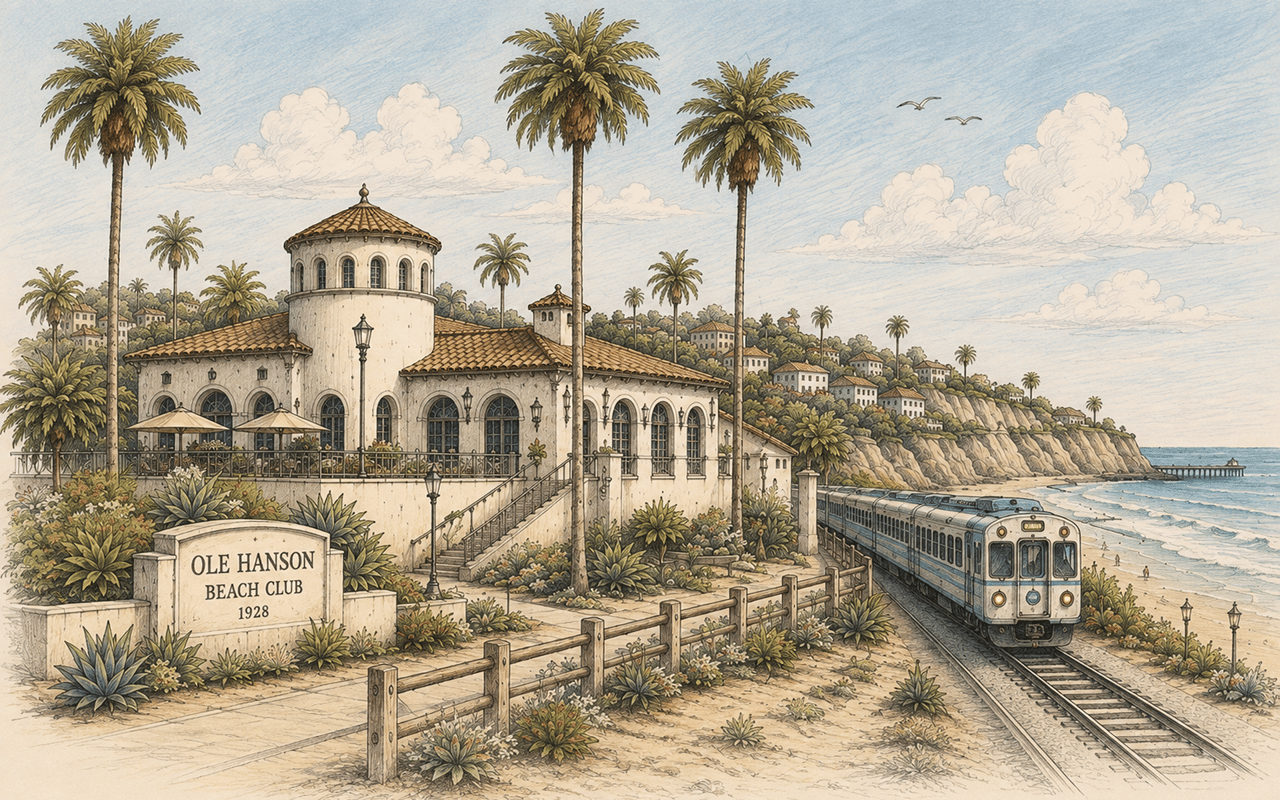
North Beach is organized around the Ole Hanson Beach Club, Casino San Clemente, the North Beach station and the Miramar area. Central is organized more strongly around Avenida Del Mar, Downtown, the Pier Bowl and the hills immediately above them.
A buyer drawn to North Beach may prioritize the northern beach district and its evolving commercial identity. A Central buyer may prioritize downtown walkability, the Pier, historic residential streets or an elevated Hill home with quick access to the center of town.
You can compare the northern side in my North Beach San Clemente guide.
Central offers a fundamentally different ownership experience from Talega, Forster Ranch or Rancho San Clemente. Central is older, denser in many pockets, more varied architecturally and far more connected to the historic downtown and coast on foot.
The tradeoff is that inland communities may offer larger floor plans, more conventional garages, newer construction, larger usable yards or more planned amenities. A Central buyer is often paying a premium for location, character, view or walkability rather than pure square footage.
Neither is automatically the better choice. They solve different problems.
Central is one of the worst places in San Clemente to rely on a simple price-per-square-foot average. The properties are too different.
I look at the specific micro-location first: Pier Bowl, Downtown, historic streets or The Hill. Then I look at the things a buyer cannot change: view, walkability, parking, lot, street position, privacy, grade, noise exposure and relationship to neighboring buildings.
After that I evaluate the house itself: condition, architecture, floor plan, remodel quality, permit history and outdoor space. For condos, HOA condition, parking, elevator access, floor level and orientation can materially change the comparison.
A smaller home with a great view, easy parking and a true walk-to-town location may outperform a larger property that is harder to live in. A beautifully remodeled house may still trail a less-updated property if the other home has the superior lot or view corridor.
That is the same property-specific approach I use in What Is My San Clemente Home Worth? How I Determine Real Market Value
If I were helping you evaluate a Central San Clemente property, these are the questions I would want answered before we became too focused on the finishes:
My broader San Clemente home-tour checklist covers the same location-first approach.
Central San Clemente sellers have a storytelling advantage because the location can be one of the strongest reasons a buyer chooses the property. But that advantage is wasted if the marketing falls back on generic phrases like “coastal living” and “minutes to the beach.”
If the home is in the Pier Bowl, I want to show the real pedestrian connection to the Pier, beach and Avenida Del Mar. If it is a historic property, I want the architectural story to be accurate. If it is on The Hill, I want the photography to show the actual view from the living spaces and yard. If parking is unusually good for the location, I want buyers to understand that. If the lot is private or the street is quiet, that needs to be visible.
Central buyers compare very different products at the same price point. The marketing has to explain why this specific home, on this specific block, offers something difficult to reproduce elsewhere in San Clemente.
Central San Clemente is especially compelling for buyers who want the city itself to be part of the home. Downtown, the Pier, the beach, historic architecture and neighborhood streets are not separate destinations here. They overlap.
The tradeoff is variety. There is no standard Central San Clemente house, no standard parking situation, no standard lot and no standard level of activity. That is exactly why the area rewards careful property-by-property analysis.
If you want to be able to walk into town, live near the Pier, own an older home with character or capture an elevated ocean view without moving to the outer edges of San Clemente, Central deserves serious attention. The goal is not simply to buy “Central.” It is to find the exact street, elevation and housing type that fits the way you actually want to live.
If you are still comparing areas, my guide to choosing where to live in San Clemente is a good next step.
Central San Clemente generally includes Downtown, the Pier Bowl, older residential streets around the historic core and the hillside neighborhoods above downtown. Real-estate map boundaries vary, so I prefer to identify the actual street and micro-market.
The Pier Bowl is the coastal area surrounding the San Clemente Pier, Avenida Victoria and lower Avenida Del Mar. It includes a mix of condos, multifamily buildings, visitor-serving uses and some single-family homes, with direct access to the beach, Pier and Beach Trail.
From many lower Central locations, yes. The Pier Bowl and downtown-adjacent coastal streets can provide excellent beach access. Hills and grade matter, though, so I recommend walking the exact route from any property you are considering.
The Hill is commonly associated with Broadmoor, Pacifica, Rancho Margarita and Hillcrest. These elevated Central neighborhoods are known for established homes, single-level opportunities and ocean-view potential that varies by street and lot.
Yes. Views range from close Pier Bowl water views to broader hillside panoramas from The Hill. I evaluate view width, foreground, orientation, privacy and where the view is visible from normal living positions.
Yes. Central contains many older Spanish-style and historically significant properties. Not every Spanish-style home is an Ole Hanson home, so historic status should be verified through City records and the specific property documentation.
Yes. Central has a significant mix of condos, townhome-style residences and multifamily buildings, especially near Downtown and the Pier Bowl. HOA condition, parking, insurance, reserves, floor level and orientation are important comparison points.
It depends heavily on the property. Potential sources include the rail line, downtown activity, visitor traffic, commercial uses and busy streets. Other Central pockets can feel very quiet. I recommend visiting the exact property at several different times.
Parking can be tighter near Downtown and the Pier, particularly on busy weekends and event days. Homes with functional garages, driveways or better guest-parking options can have a meaningful practical advantage.
There is no single Central San Clemente HOA. Some detached homes have no association, while condos and certain communities have their own HOAs. Dues, reserves, insurance and rules should be verified for the individual property.
Eligibility is property- and permit-specific and subject to City rules. Buyers should verify current regulations and any existing permit rather than assuming a property can be used as a short-term rental.
I would focus on structural changes, foundation, drainage, electrical, plumbing, sewer, roof, windows, decks, retaining systems and permit history. For a historic property, I would also verify designation and applicable review requirements.
Lower Central and the Pier Bowl generally provide easier direct access to Downtown and the beach. The Hill can be geographically close but involves more elevation. Buyers should test the actual route rather than deciding from distance alone.
Central is more tied to Downtown, Avenida Del Mar and the Pier Bowl and has a larger mix of condos and multifamily property. Southwest is more residential and surf-oriented as you move south through T-Street, Lost Winds and Riviera.
The neighborhood label is only the first filter. The block, elevation, parking, grade, view, activity level and property type can change the ownership experience dramatically within a very short distance.
Tom Bertog
Tom Bertog Real Estate | San Clemente, CA
Serving Orange County since 1989
13,306 people live in Central , where the median age is 45 and the average individual income is $67,280. Data provided by the U.S. Census Bureau.
Total Population
Median Age
Population Density
Average individual Income
There's plenty to do around Central , including shopping, dining, nightlife, parks, and more. Data provided by Walk Score and Yelp.
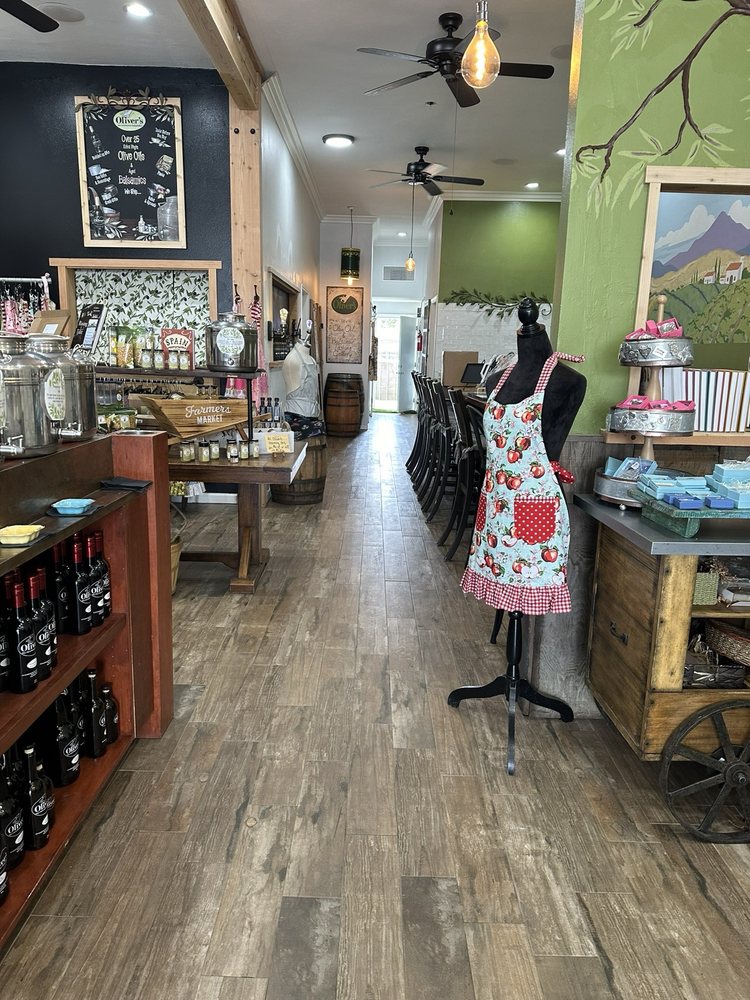
Explore popular things to do in the area, including Liz's Dinner Service, Project 7, and Oliver's Olive Oil & Balsamic Tasting Gallery.
| Name | Category | Distance | Reviews |
Ratings by
Yelp
|
|---|---|---|---|---|
| Dining | 0.08 miles | 0 reviews | 0/5 stars | |
| Dining | 0.21 miles | 1 review | 4/5 stars | |
| Dining · $$ | 0.39 miles | 52 reviews | 4.5/5 stars | |
| Shopping | 0.16 miles | 0 reviews | 0/5 stars | |
| Shopping | 0.16 miles | 3 reviews | 3/5 stars | |
| Shopping | 0.3 miles | 0 reviews | 0/5 stars | |
| Shopping | 0.33 miles | 0 reviews | 0/5 stars | |
| Shopping | 0.35 miles | 1 review | 5/5 stars | |
| Shopping | 0.35 miles | 0 reviews | 0/5 stars | |
| Active | 0.38 miles | 2 reviews | 5/5 stars | |
| Active | 0.39 miles | 1 review | 5/5 stars | |
| Beauty | 0.08 miles | 0 reviews | 0/5 stars | |
| Beauty | 0.15 miles | 0 reviews | 0/5 stars | |
| Beauty | 0.16 miles | 1 review | 5/5 stars | |
| Beauty | 0.16 miles | 0 reviews | 0/5 stars | |
| Beauty | 0.17 miles | 5 reviews | 5/5 stars | |
| Beauty | 0.2 miles | 0 reviews | 0/5 stars | |
| Beauty | 0.24 miles | 0 reviews | 0/5 stars | |
| Beauty | 0.25 miles | 1 review | 4/5 stars | |
| Beauty | 0.34 miles | 0 reviews | 0/5 stars | |
| Beauty | 0.35 miles | 1 review | 5/5 stars | |
| Beauty | 0.35 miles | 0 reviews | 0/5 stars | |
| Beauty | 0.36 miles | 1 review | 5/5 stars | |
| Beauty | 0.39 miles | 0 reviews | 0/5 stars | |
|
|
||||
|
|
||||
|
|
||||
|
|
||||
|
|
||||
|
|
Central has 5,843 households, with an average household size of 2. Data provided by the U.S. Census Bureau. Here’s what the people living in Central do for work — and how long it takes them to get there. Data provided by the U.S. Census Bureau. 13,306 people call Central home. The population density is 12,421 and the largest age group is Data provided by the U.S. Census Bureau.
Total Population
Population Density Population Density This is the number of people per square mile in a neighborhood.
Median Age
Men vs Women
Population by Age Group
0-9 Years
10-17 Years
18-24 Years
25-64 Years
65-74 Years
75+ Years
Education Level
Total Households
Average Household Size
Average individual Income
Households with Children
With Children:
Without Children:
Blue vs White Collar Workers
Blue Collar:
White Collar: