San Clemente is home for me, and it is the community I know most personally.
I live here, I work here, and the more time I spend in San Clemente, the more I appreciate how different it is from every other coastal city in Orange County. What makes San Clemente special is not simply the ocean. Plenty of Southern California cities have a beach. San Clemente is different because the coastline, hills, Spanish architecture, surf culture, older neighborhoods, newer planned communities, parks, schools, trails, golf, downtown, and everyday local routines all come together in one place.
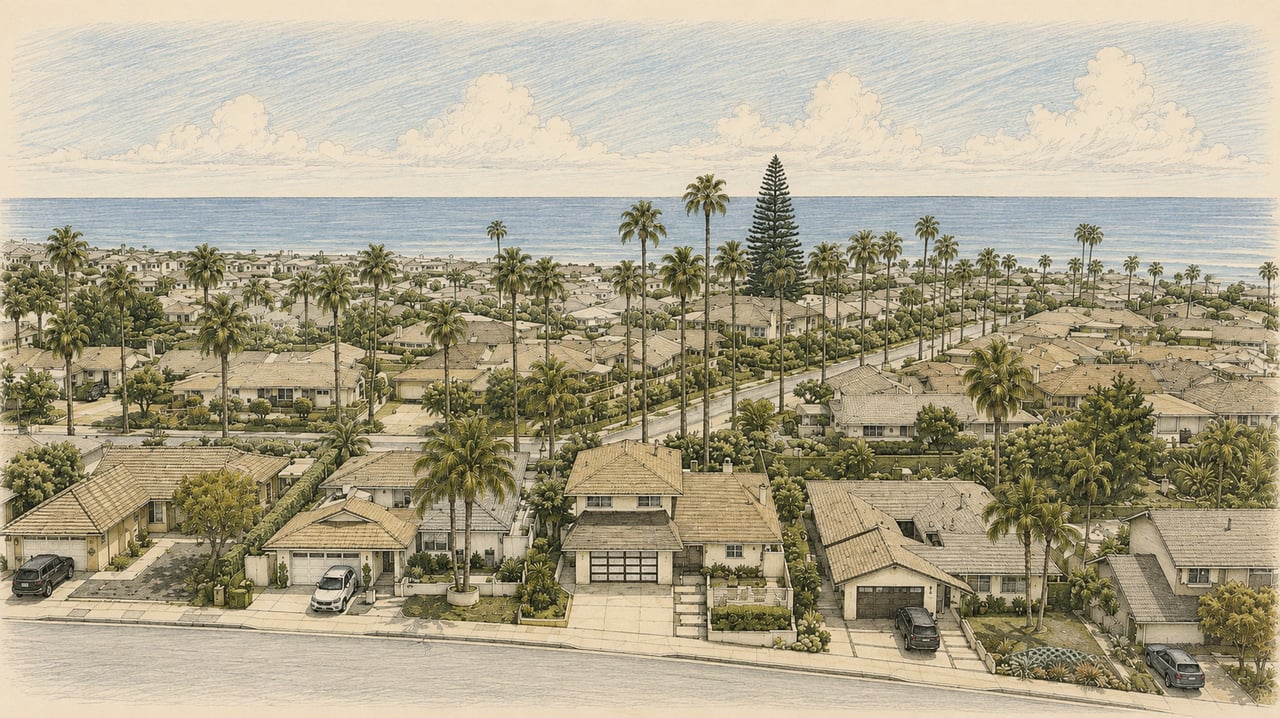
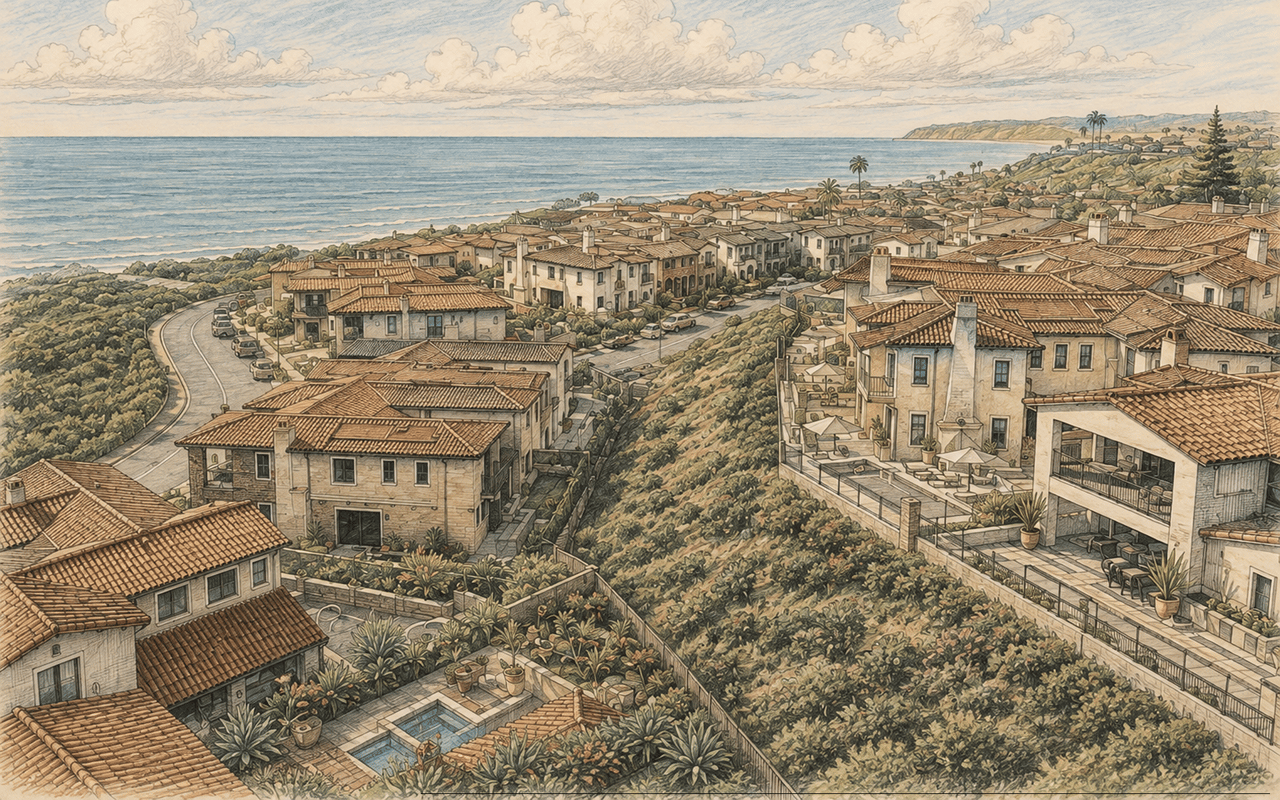
Ole Hanson’s original “Spanish Village by the Sea” vision still matters. You see it in white stucco, red tile roofs, arched openings, hillside streets, historic buildings, and a downtown that drops toward the Pacific. But San Clemente has grown far beyond its original village. Today, you can live in an authentic older Spanish home near downtown, a beach cottage near T-Street, a bluff-top or gated coastal estate in Southwest, a golf-course or hillside home in Southeast, a larger established home in Forster Ranch, a view-oriented property in Rancho San Clemente, a gated home in Marblehead, newer coastal construction in Sea Summit, or one of the many distinct neighborhoods in Talega.
That variety is the reason I never describe San Clemente as one lifestyle or one real estate market. The right part of town depends on how you actually want to live.
If you are ready to see current inventory, start with San Clemente homes for sale.
One of the biggest mistakes a buyer can make here is treating San Clemente as one uniform housing market. It is not. A home in Southwest San Clemente may be only a few miles from a home in Talega, but the day-to-day experience can feel completely different. Even within the same neighborhood, two properties on the same street can have meaningfully different values because of elevation, orientation, privacy, view, lot usability, road exposure, beach access, slope, or which side of the street they sit on.
When I evaluate a San Clemente property, I pay attention to things that broad online searches often miss:
Those details can matter as much as square footage or bedroom count. That is why my approach to San Clemente is simple: neighborhood is the first filter, the street is the second, and the specific lot and home are the third.
San Clemente’s two primary ZIP codes help orient a buyer, but they do not define the lifestyle by themselves. Broadly, 92672 includes much of the older coastal and central side of town, while 92673 includes many of the newer northern, hillside, and inland communities. But both ZIP codes contain very different property types, price ranges, views, lot conditions, and ownership structures.
A 92672 address might be a downtown condo, an Ole Hanson-era home, a beach cottage, a golf-course property, an attached residence, a custom hillside home, or a major coastal estate. A 92673 address might be a Forster Ranch home on a usable lot, a Talega property with extensive community amenities, a gated Marblehead residence, or newer coastal construction in Sea Summit.
The ZIP code is helpful. The neighborhood, street, and lot tell you far more.
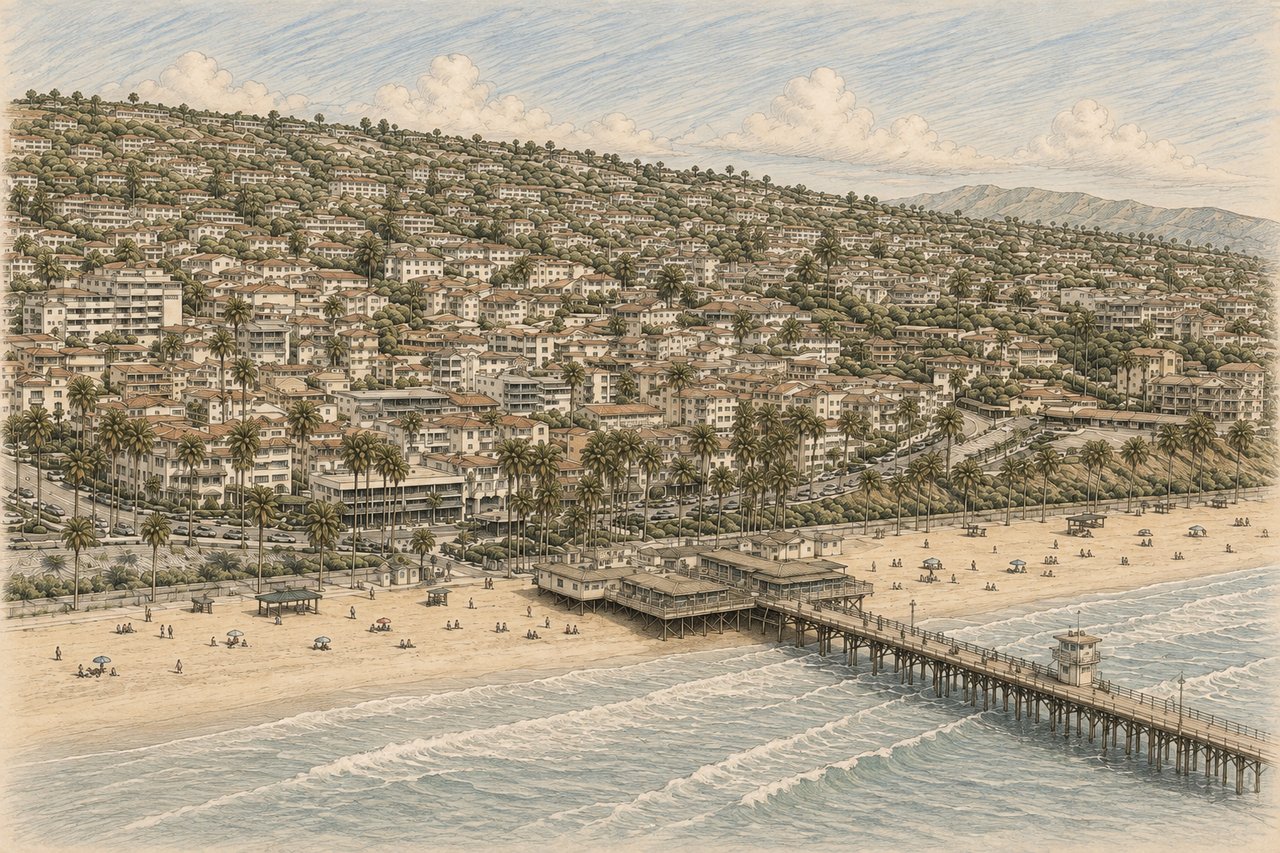
Central San Clemente is the heart of the city, but it is not one uniform neighborhood. It includes the downtown core around Avenida Del Mar, the Pier Bowl, historic residential streets near the original village, and elevated neighborhoods above downtown that locals often group under The Hill.
Downtown is where San Clemente’s Spanish Village identity is most visible. Avenida Del Mar moves west from El Camino Real toward the ocean, with restaurants, coffee shops, boutiques, services, and local businesses gradually giving way to residential streets and the Pier Bowl. That transition from downtown to the beach is one of the things that makes Central San Clemente feel different from newer coastal communities.
The Pier Bowl offers a very active version of coastal living. Some homes and condos provide true walkability to the Pier, Avenida Del Mar, Casa Romantica, the Beach Trail, restaurants, and the beach. The trade-off is activity. Parking, garage function, summer traffic, pedestrians, train exposure, and short-term-rental activity can matter much more here than they do in a conventional suburban neighborhood.
Above the lower coastal area, neighborhoods such as Broadmoor, Pacifica, Rancho Margarita, and Hillcrest bring a different set of priorities. View quality, elevation, driveway grade, yard configuration, and the real walking grade back from downtown can become more important than simple map distance. A home can look “close to Del Mar” online and feel very different once you walk the hill home.
For the detailed street-by-street and micro-area breakdown, see my Central San Clemente guide.
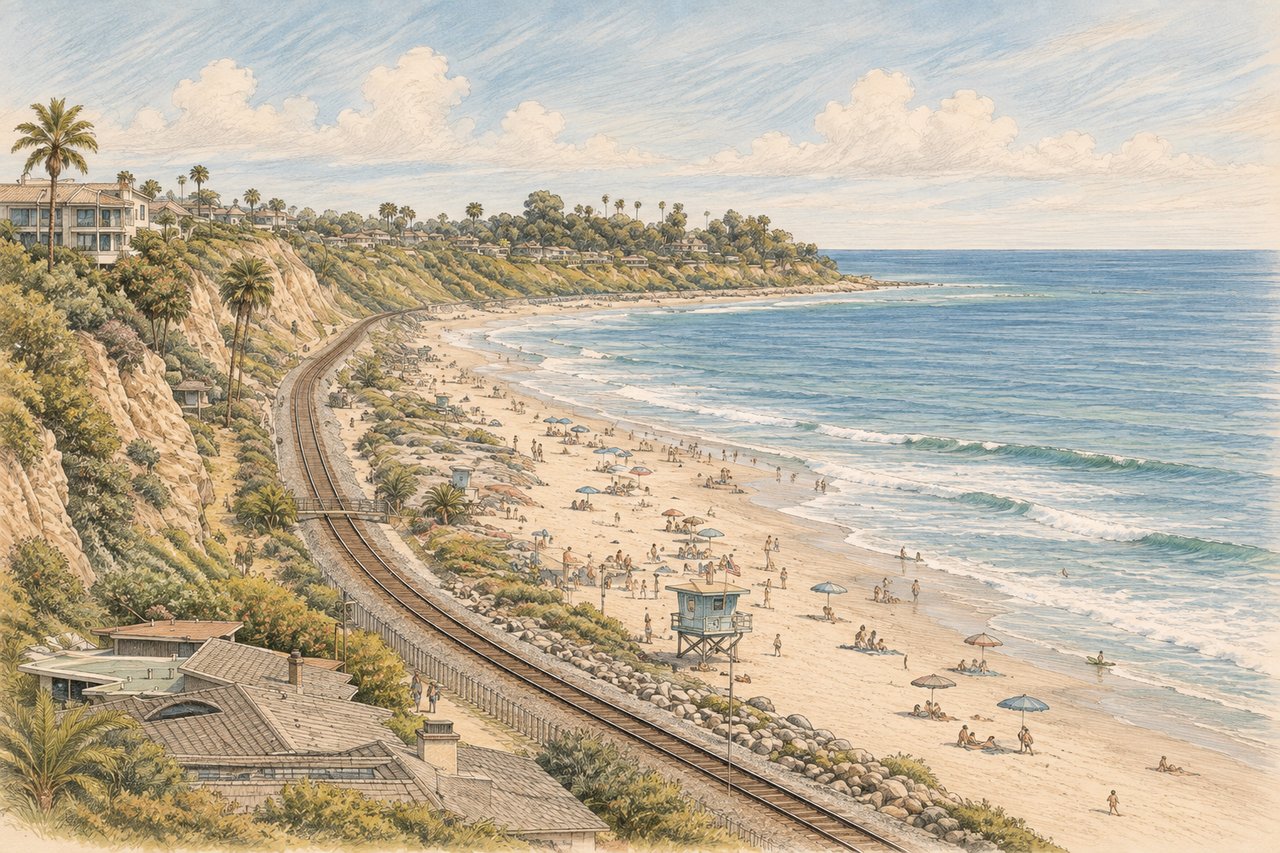
North Beach has one of the most distinctive identities in San Clemente. It combines the city’s early history with beach access, the coastal rail corridor, the northern end of the Beach Trail, older housing, evolving dining and gathering spaces, and a mix of property types that is more eclectic than many buyers expect.
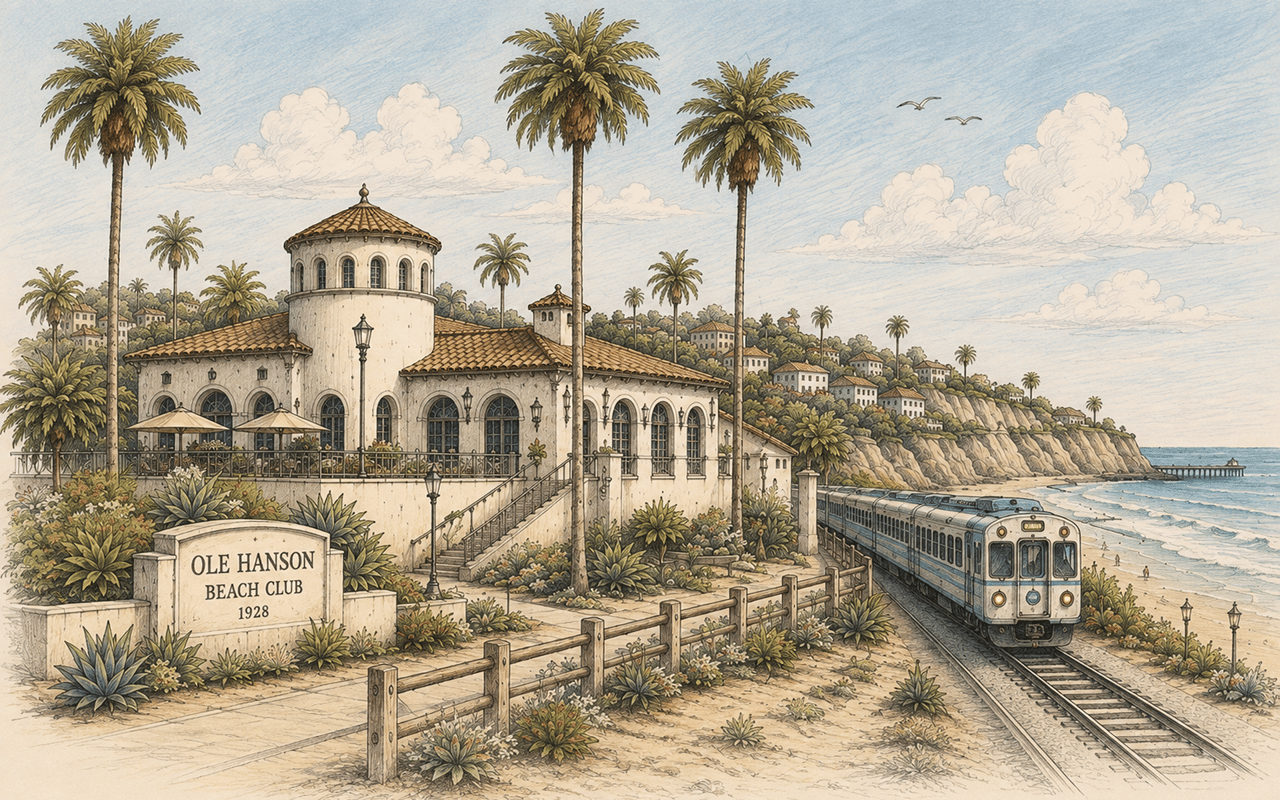
The Ole Hanson Beach Club, Casino San Clemente, the North Beach station area, and the restored Miramar property give the district a historic foundation that you do not find in a typical Orange County beach neighborhood. The reopening of the Miramar property as a food hall added a new layer of activity to an area that had long been known more for its history and beach access than for an active dining destination.
From a real estate standpoint, North Beach can include older cottages, historic residences, condos, multifamily properties, remodeled homes, hillside properties, and newer luxury infill. Exact position matters. A home near the beach and tracks, a property closer to El Camino Real, and an elevated residence above the coastal activity are three very different purchases.
Train exposure, parking, mixed-use activity, elevation, historic-property considerations, and actual walking routes all deserve attention here.
For the full breakdown, see my North Beach San Clemente guide.
Southwest San Clemente is one of the city’s defining coastal markets. It captures much of the old-school San Clemente beach lifestyle, but the area changes significantly as you move south. I do not treat T-Street, The Hole, Lost Winds, Riviera, The Loop, and the gated southern enclaves as interchangeable.
T-Street is tied directly to San Clemente’s surf culture and beach routine. Lost Winds and Riviera have a more residential feel. The Loop is a small local pocket where the street pattern, privacy, beach access, and lot position create a very specific buyer appeal. Farther south, La Ladera, The Breakers, Cyprus Cove, Cyprus Shore, and Cotton’s Point move into very different gated and luxury categories.
In Southwest, the words “close to the beach” are not precise enough. The actual access point, the grade, whether you cross the rail line or use a bridge or underpass, parking, whitewater versus horizon view, bluff exposure, and even which side of a street you are on can all affect value and daily life.
For the detailed neighborhood and beach-access breakdown, see my Southwest San Clemente guide.
Southeast San Clemente is very different from Southwest even though both sit on the southern side of town. Southeast combines the San Clemente Municipal Golf Course, hillside streets around Avenida Salvador and Avenida San Juan, attached-home communities, canyon terrain, San Clemente State Beach, Calafia, and proximity to the Trestles surf corridor.
The lower areas near Avenida Magdalena and Avenida Del Presidente can feel different from the higher hillside streets. Presidential Heights offers another type of product entirely, with attached residences, greenbelts, community pools, and varying ocean or golf-course orientations. Mariners Point and the higher hillside streets bring in more elevation, views, wind, slope, and driveway considerations.
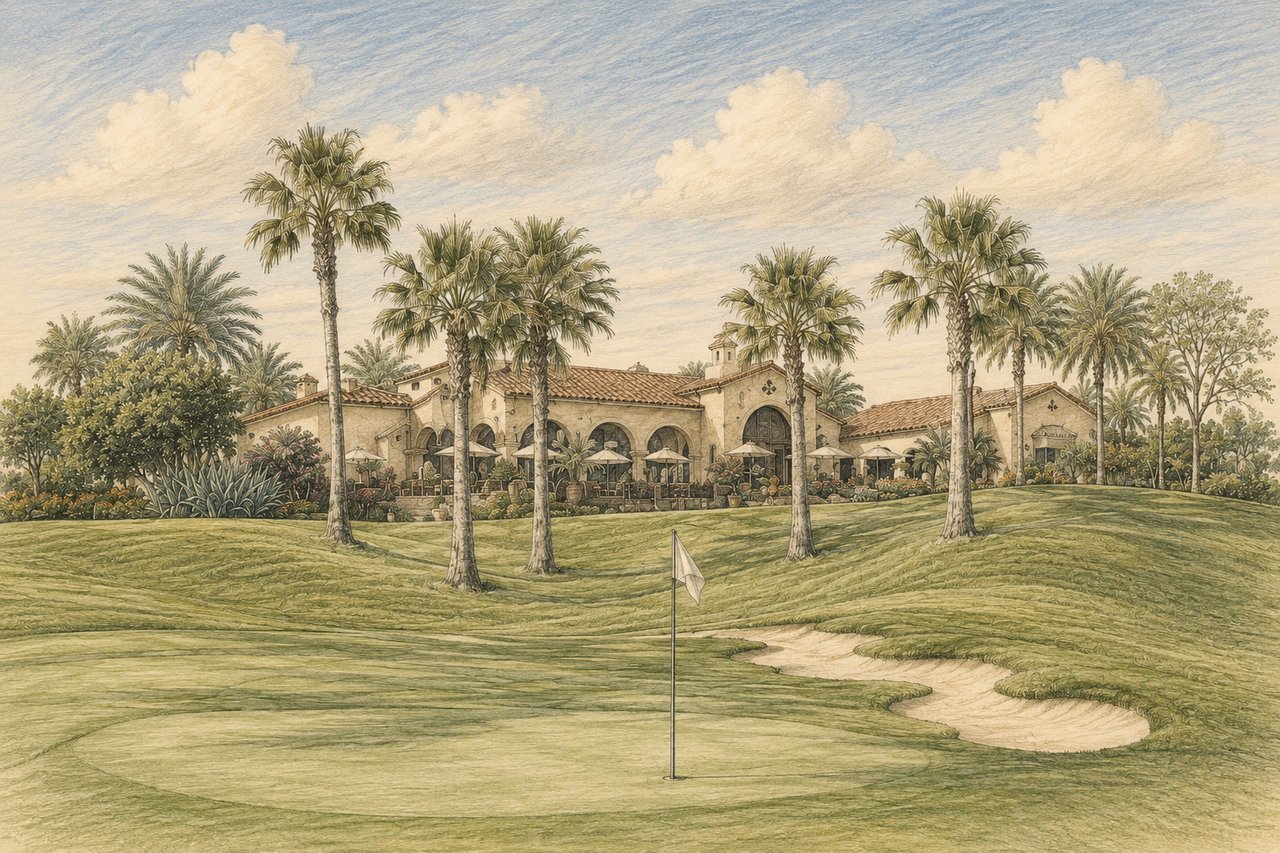
For homes near the municipal golf course, fairway position, privacy, golf-ball exposure, and the direction of the view can materially change the property. For the hillside homes, I pay especially close attention to drainage, retaining conditions, usable outdoor space, sun, and what sits below the property.
For a more detailed property-level breakdown, see my Southeast San Clemente guide.
The Coast District occupies a useful middle ground in San Clemente. It is inland from the beach but still closely connected to the coastal side of the city. Buyers often come here looking for more conventional residential streets, larger setbacks, larger homes, usable yards, and in selected locations, ocean or hillside views.
The area includes distinct sections such as The Coast, Sea Canyon Old, Sea Canyon New, Heights Above the Coast, and Las Marias. That matters because the housing, lot shape, elevation, HOA structure, and view potential are not the same everywhere.
Single-story inventory can be especially appealing when it comes to market. Cul-de-sac position, true yard usability, freeway acoustics, slope, retaining conditions, and the foreground of an ocean view are all details I would compare before paying a premium simply because a listing says “Coast District.”
For the full neighborhood breakdown, see my Coast District guide.
Forster Ranch is one of San Clemente’s most established inland residential areas, and it is much more varied than the shorthand description of “larger lots.” The community includes neighborhoods such as Tocayo Ridge, Tocayo Hills, Tocayo Canyon, Glen Ridge Estates, Rimrock, Flora Vista, Sunset Ridge, El Encanto, Las Veredas, Compass Pointe, Cantomar, older attached-home pockets, and the Reserve communities.
Forster Ranch is where I pay particular attention to the difference between recorded lot size and usable yard. A large parcel can lose a meaningful amount of practical space to slope, while a smaller parcel may surprise you with a flatter, deeper, and more private backyard.
Cul-de-sac position, RV or boat access where available, mature landscaping, trail and park proximity, open-space backing, drainage, retaining conditions, garage configuration, and whether the home sits in a lower valley or more exposed hillside position all help determine how a property actually lives.
For the detailed tract-by-tract guide, see my Forster Ranch San Clemente page.
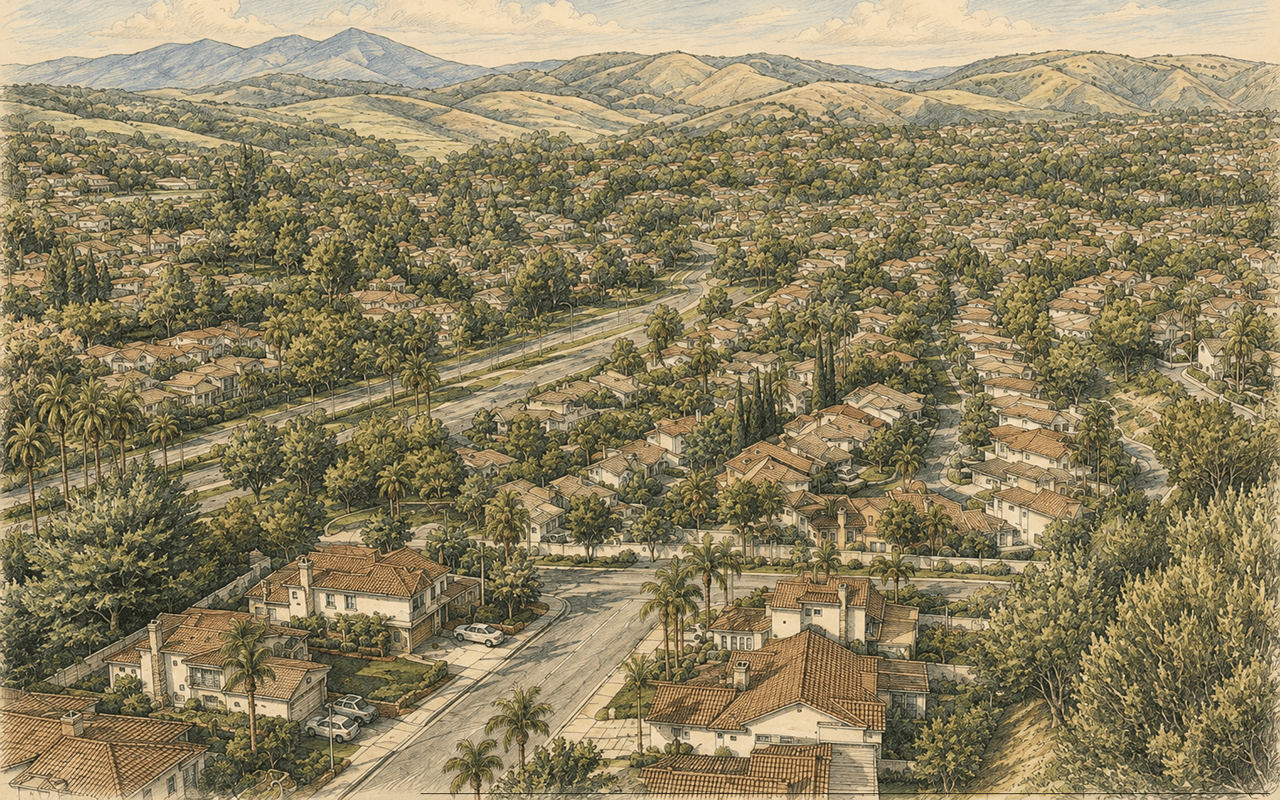
Rancho San Clemente is one of the clearest examples of why San Clemente has to be understood as a collection of micro-markets. The area rises through hills and canyons east of the freeway and includes neighborhoods such as Montego, Bella Vista, Brisa del Mar, Harbor View, Harbor Ridge, Pacific Crest, Pacific Shores, Richmond Pointe, Villagio, Vista Pacifica, Rancho Cristanitos, Mandalay, and other pockets.
A ridgeline property with a broad coastline view is not the same product as a lower hillside home with a quieter canyon outlook. One home may have a steep driveway and terraced yard in exchange for a dramatic view. Another may have better usable outdoor space but less elevation. Wind exposure, street position, open-space backing, garage function, retaining conditions, and how easily you reach Avenida Pico or La Pata can all matter.
This is also an area where I do not use the phrase “ocean view” casually. A blue-water horizon over rooftops, a broad coastline view, and a layered hills-and-ocean panorama are different experiences and should be valued differently.
For the deeper neighborhood-by-neighborhood analysis, see my Rancho San Clemente guide.
Marblehead and Sea Summit are close geographically, but I would never value or describe them as one interchangeable market.
Marblehead includes several established communities and housing types, including gated Highland Light neighborhoods, detached homes, and attached-home communities. Gating, tract, elevation, lot size, floor plan, condition, and view corridor all matter. Some properties are purchased primarily for the view. Others are purchased for the gated setting, location, or larger-home environment.
Sea Summit is newer coastal construction built around preserved open space, bluff trails, and a very different design era. The appeal is not automatically a panoramic ocean view. A buyer may pay a premium for newer construction, coastal proximity, trails, parks, community design, and the overall setting even when another hillside home elsewhere in San Clemente has a broader view.
For the full comparison and community detail, see my Marblehead and Sea Summit guide.
Talega is large enough that I think of it as a collection of neighborhoods rather than one neighborhood. Talega’s own current community material describes 37 unique neighborhoods, while other real estate sources sometimes count individual collections, tracts, or sub-associations differently. That is exactly why I prefer to focus on the actual tract, floor plan, lot, HOA structure, and location rather than relying on a single community-wide number.
Within Talega, the experience changes from lower sections closer to everyday services to higher and more view-oriented pockets. Buyers may compare neighborhoods such as Pacifica, Montellano, Cantabria, Vizcaya, Seaside, Miraleste, Portofino, San Rafael, Vittoria, Cazadero, Escala, Mirador, Portomarin, Careyes, Catania, Lucia, Alta, Amalfi, Carillon, and others, along with The Gallery’s 55+ neighborhoods and attached-home options.
The important questions are specific: Is the home near a pool, park, school, trail, or golf course? Does it back to open space or another home? Is the lot flat? Is there a second association? How does afternoon sun hit the backyard? How deep into the community is the home? What are the current property-specific tax and assessment obligations? Those are the details that help a buyer understand Talega correctly.
For my full tract-level breakdown, see the Talega San Clemente guide.
The north side of San Clemente also includes established markets that do not fit neatly into the other community pages. Shorecliffs, Sea Pointe Estates, and Harbor Estates are good examples.
Shorecliffs is an older coastal neighborhood with mature landscaping, a mix of single-story and two-story homes, golf-course adjacency in selected locations, ocean-view opportunities, and qualifying access to the private Shorecliffs Beach Club for certain properties. Sea Pointe Estates is a much more elevated and gated environment with larger homes and dramatic view potential. Harbor Estates is more custom and property-specific, with individually designed homes, varying lot conditions, and some significant ocean, coastline, and Dana Point views.
These three areas are close enough to be grouped casually online, but they attract different buyers and should be evaluated separately.
San Clemente’s beaches are not interchangeable, and “half a mile from the ocean” does not tell me enough. North Beach, the Pier, T-Street, Lost Winds, Riviera, Calafia, San Clemente State Beach, and Trestles each create a different daily routine.
The route matters. Is the walk flat or steep? Is there a pedestrian bridge, stairway, underpass, or rail crossing? Is the beach access convenient with children, surfboards, or chairs? Is parking realistic for guests? Does the walk home feel very different from the walk down?
For many coastal buyers, the practical relationship to the water is worth more than a simple map measurement.
The Beach Trail is one of the public spaces that best explains San Clemente. It connects much of the city’s coastal edge from North Beach toward Calafia and passes the Pier, T-Street, and other beach access points along the way.
People use it to walk, run, bike, reach the beach, meet friends, watch surf, and watch the sunset. For some buyers, trail access becomes part of the daily routine. For others, being directly beside the trail may create more pedestrian activity or less privacy than they want. As with so much in San Clemente, proximity is not automatically better. The exact relationship to the property matters.
When a buyer tells me they want an ocean view, my next question is: what kind?
Those are different products. I also care about where the view is visible from. A view from a standing position at one upstairs window is not the same as an open view from the living room, kitchen, primary bedroom, and backyard. The foreground matters almost as much as the water itself.
San Clemente’s Spanish identity is real, but not every Spanish-style house is an Ole Hanson-era home. Older San Clemente contains authentic historic resources, later Spanish Revival homes, remodeled bungalows, multifamily buildings, and newer homes that borrow the architectural language.
When a property is represented as historic, I want to verify the address, the City records, the period of significance, what is original, and what has been altered. Historic character can be a major part of a home’s appeal, but it should be understood accurately rather than used as a marketing label.
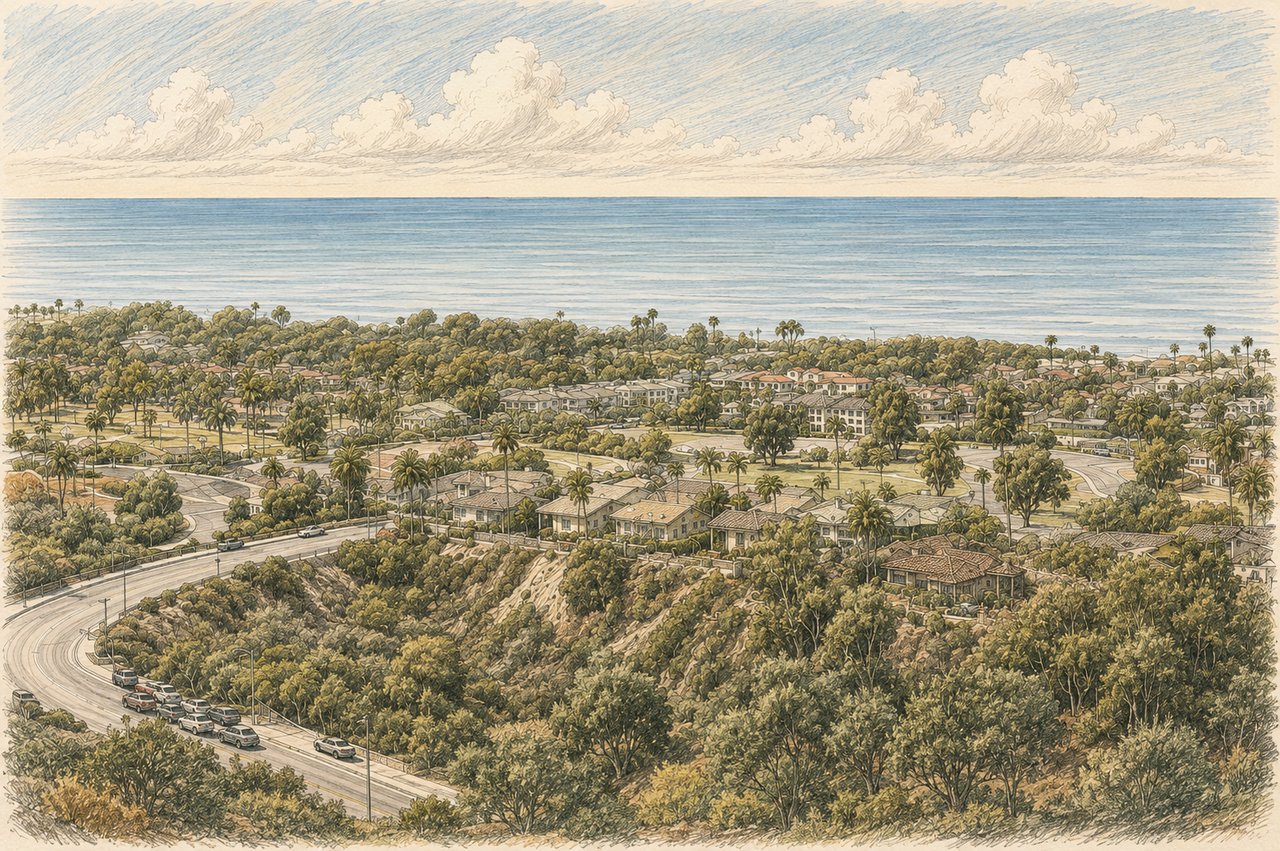
San Clemente’s topography creates one of the city’s most important real estate trade-offs: view versus usable land. A dramatic elevated property can have a spectacular outlook and very little flat backyard. A lower home may give up some view but provide substantially more usable outdoor space.
That is why I do not rank yards by lot square footage alone. I look at how much is flat, where the slope begins, how the home sits on the parcel, whether retaining walls shape the usable area, how private the yard feels, and how sun and wind affect it in the afternoon.
You can remodel a kitchen. You cannot move the lot.
San Clemente has noticeable microclimates. The beach can sit under a marine layer while inland or elevated areas are already in sun. Talega generally feels warmer than the immediate coast. Higher ridgelines can be breezier. Canyon areas can hold cooler air. Southwest can feel different from Forster Ranch or Rancho San Clemente on the same morning.
These are not reasons to choose one area over another. They are reasons to spend time in the exact neighborhood you are considering, ideally at more than one time of day.
Parking does not sound glamorous, but in San Clemente it can materially affect daily life. Older coastal areas may have narrow driveways, small garages, heavier curb parking, or seasonal beach congestion. Hillside neighborhoods can have steep driveways or garage approaches. Planned communities may function more predictably but can have their own guest-parking or association rules.
I look at whether the garage truly works for the buyer’s vehicles, whether the driveway is comfortable to use every day, where guests will park, and what the street looks like on evenings and weekends rather than only during a quiet weekday showing.
San Clemente’s geography means transportation and recreation are woven directly into the housing market. The railroad runs beside the coast. Interstate 5 runs through the city. Major roads connect inland and coastal neighborhoods. Parks, schools, trails, golf courses, and athletic facilities can sit close to residential streets.
A map cannot tell you exactly how those features sound or feel from a particular home. I prefer to evaluate the property at the times the buyer is most likely to be there. A quiet morning and a busy late afternoon can tell two different stories.
San Clemente gives buyers unusually different ownership environments within one city. Older coastal neighborhoods may have no master HOA. Talega has extensive community infrastructure. Marblehead includes gated associations and sub-associations. Sea Summit reflects a newer planned coastal environment. Attached communities throughout the city have their own HOA obligations and common-area responsibilities.
There is no universally better structure. Some buyers want pools, common areas, organized amenities, and architectural standards. Others want fewer community rules and more flexibility. The important thing is understanding exactly what applies to the property you are buying.
San Clemente is served by Capistrano Unified School District, but I never rely on a broad neighborhood description for school assignment. Boundaries, grade configurations, enrollment rules, and program availability can change, so buyers should verify the exact address directly with the district.
I also think about the route, not just the school name. A home may be physically close to a school but separated by grade, traffic, a major road, or a route that is less practical to walk or bike than the map suggests.
The beach gets most of the attention, but San Clemente is also a hills-and-trails city. Forster Ranch, Rancho San Clemente, Talega, Sea Summit, and other areas connect residents to very different trail systems and open-space environments. The San Clemente Municipal Golf Course, Talega Golf Club, neighborhood parks, sports fields, bluff trails, and ridgeline routes all contribute to the city’s outdoor character.
The important real estate question is not whether an amenity exists somewhere in the neighborhood. It is how the exact home relates to it. A trail behind the property can be a benefit for one buyer and a privacy concern for another. A park across the street can feel ideal to one household and too active to another.
When I work with buyers here, I am usually helping them compare trade-offs rather than simply search inventory.
Do you want beach walkability or more house? Newer construction or older coastal character? A panoramic view or a flatter backyard? Community amenities or no HOA? A golf-course setting, a gated coastal enclave, a quiet cul-de-sac, or a home where you can walk to dinner?
That is why I do not tell every buyer there is one “best” neighborhood. I want to find the part of San Clemente that fits the way that particular buyer actually wants to live.
Then I narrow it further: the right neighborhood, the right street, and the right property within that street.
The same micro-market logic matters when selling. A Talega home should not be priced or marketed like a historic Central San Clemente home. A Forster Ranch property with a flat private yard is not the same product as a ridgeline home in Rancho San Clemente. A Southwest beach property should not be presented the same way as a newer Sea Summit home. Even two nearby ocean-view homes may appeal to different buyers because the view, access, lot, parking, or condition is different.
Good positioning starts by understanding why the right buyer would choose that specific property over every alternative on the market. That means telling the neighborhood story accurately, but also explaining the street, lot, view, access, privacy, remodel quality, and daily function of the home itself.
No. San Clemente has several very different neighborhood types, from walkable coastal areas and historic streets to inland planned communities, gated neighborhoods, golf-course areas, and hillside view markets. The best fit depends on the buyer’s priorities.
Downtown, the Pier Bowl, selected parts of Central, North Beach, and certain Southwest locations can provide meaningful walkability to restaurants, beaches, the Pier, or the Beach Trail. The exact street and grade matter.
Talega and Sea Summit are the clearest large-scale examples of newer-era housing, although newer infill and extensive remodels can be found throughout the older coastal neighborhoods.
Forster Ranch is often one of the first areas I examine. Certain Coast District, Rancho San Clemente, Talega, and older custom-lot properties can also offer substantial outdoor space. The usable portion of the lot matters more than the raw lot-size number.
Ocean-view opportunities appear in many parts of the city, including Central and The Hill, Southwest, Southeast, Coast District, Rancho San Clemente, Marblehead, Sea Summit, Sea Pointe Estates, Harbor Estates, and selected Talega locations. The view quality varies dramatically by lot.
Yes. Gated options exist in areas such as Southwest San Clemente, Marblehead, Sea Pointe Estates, Forster Ranch’s Reserve communities, and selected Talega neighborhoods, among others. Gate type, association structure, and amenities vary.
Yes. Many older coastal and central neighborhoods have no master HOA, while planned and attached communities may have one or more associations. HOA status should be verified for the specific property.
No. Topography, rail crossings, stairs, bridges, underpasses, street grade, and the location of the actual access point can make two equally close homes feel very different.
In addition to standard inspections, buyers should pay attention to drainage, retaining conditions, slope, site improvements, driveway grade, outdoor-space usability, and any property-specific geotechnical or geological considerations recommended by appropriate professionals.
Condition and permit history matter. Older homes can have tremendous character, but buyers should evaluate electrical, plumbing, roofing, windows, foundation, drainage, sewer, waterproofing, additions, and remodel quality rather than assuming age alone tells the story.
No. Talega is part of San Clemente, but daily life is more centered on a master-planned environment of neighborhoods, parks, trails, pools, schools, golf, and local services than on walking to the beach.
Use the exact property address and verify the current assignment directly with Capistrano Unified School District. Do not rely solely on an MLS entry or a third-party real estate website.
What I like most about San Clemente is that it still feels like a real town.
You can walk downtown and recognize people. You can sit at the Pier and watch surfers. You can grab coffee and walk the Beach Trail. You can drive a few minutes inland and be on a ridgeline trail. You can live in a 1920s Spanish home, a beach cottage, a golf-course property, a hillside view home, a gated coastal estate, a family home in Forster Ranch, a newer home in Talega, or a newer coastal home in Sea Summit.
San Clemente is not perfect. Parking can be frustrating. The marine layer happens. Interstate 5 runs through the city. The railroad sits beside the beach. Older homes require maintenance. Hillside and coastal property can require additional due diligence.
But those imperfections are part of why the city still feels authentic. San Clemente is not a polished resort pretending to be a town. It is a real town that happens to sit along one of the most beautiful stretches of coastline in Southern California.
That is why I live here. That is why San Clemente is the primary focus of my real estate business. And that is why I believe choosing the right home here starts with understanding the neighborhood, the street, the lot, and the lifestyle - not simply finding a San Clemente address.
Tom Bertog
Tom Bertog Real Estate | San Clemente, CA
Serving Orange County since 1989
67,298 people live in San Clemente, where the median age is 42.4 and the average individual income is $70,356. Data provided by the U.S. Census Bureau.
Total Population
Median Age
Population Density
Average individual Income
There's plenty to do around San Clemente, including shopping, dining, nightlife, parks, and more. Data provided by Walk Score and Yelp.
Explore popular things to do in the area, including Gouge Clothing, EDG Enterprises, and Gateway Village Plaza.
| Name | Category | Distance | Reviews |
Ratings by
Yelp
|
|---|---|---|---|---|
| Shopping | 0.27 miles | 0 reviews | 0/5 stars | |
| Shopping | 0.43 miles | 0 reviews | 0/5 stars | |
| Shopping | 0.54 miles | 1 review | 5/5 stars | |
| Shopping | 0.58 miles | 1 review | 3/5 stars | |
| Shopping | 0.6 miles | 4 reviews | 5/5 stars | |
| Shopping | 0.79 miles | 0 reviews | 0/5 stars | |
| Shopping | 1.09 miles | 0 reviews | 0/5 stars | |
| Active | 0.27 miles | 0 reviews | 0/5 stars | |
| Active | 0.33 miles | 0 reviews | 0/5 stars | |
| Active | 0.37 miles | 1 review | 5/5 stars | |
| Active | 0.61 miles | 0 reviews | 0/5 stars | |
| Active | 0.62 miles | 0 reviews | 0/5 stars | |
| Active | 0.77 miles | 0 reviews | 0/5 stars | |
| Active | 0.78 miles | 0 reviews | 0/5 stars | |
| Active | 0.78 miles | 0 reviews | 0/5 stars | |
| Active | 0.84 miles | 4 reviews | 3.5/5 stars | |
| Beauty | 0.26 miles | 0 reviews | 0/5 stars | |
| Beauty | 0.32 miles | 1 review | 5/5 stars | |
| Beauty | 0.37 miles | 0 reviews | 0/5 stars | |
| Beauty | 0.41 miles | 0 reviews | 0/5 stars | |
| Beauty | 0.48 miles | 7 reviews | 3.9/5 stars | |
| Beauty | 0.81 miles | 0 reviews | 0/5 stars | |
| Beauty | 0.86 miles | 1 review | 5/5 stars | |
| Beauty | 1.1 miles | 5 reviews | 4.2/5 stars | |
|
|
||||
|
|
||||
|
|
||||
|
|
||||
|
|
||||
|
|
San Clemente has 24,862 households, with an average household size of 2.72. Data provided by the U.S. Census Bureau. Here’s what the people living in San Clemente do for work — and how long it takes them to get there. Data provided by the U.S. Census Bureau. 67,298 people call San Clemente home. The population density is 1,870 and the largest age group is Data provided by the U.S. Census Bureau.
Total Population
Population Density Population Density This is the number of people per square mile in a neighborhood.
Median Age
Men vs Women
Population by Age Group
0-9 Years
10-17 Years
18-24 Years
25-64 Years
65-74 Years
75+ Years
Education Level
Total Households
Average Household Size
Average individual Income
Households with Children
With Children:
Without Children:
Blue vs White Collar Workers
Blue Collar:
White Collar: