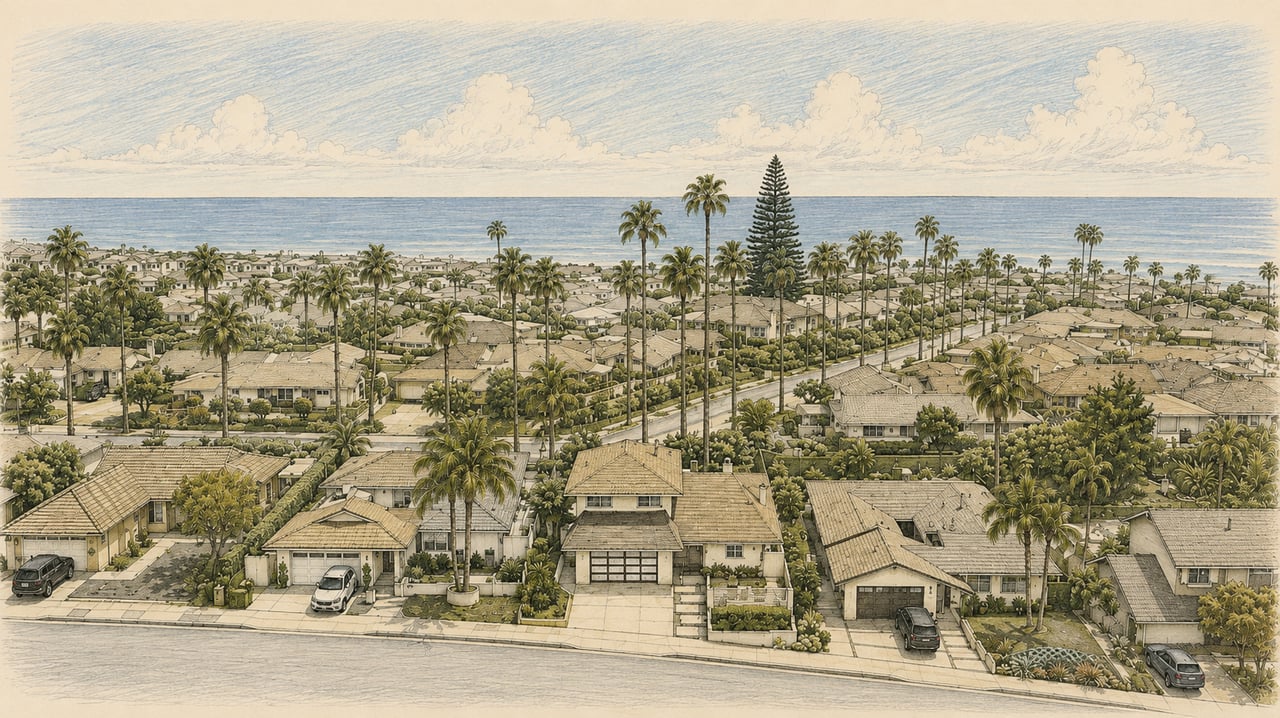
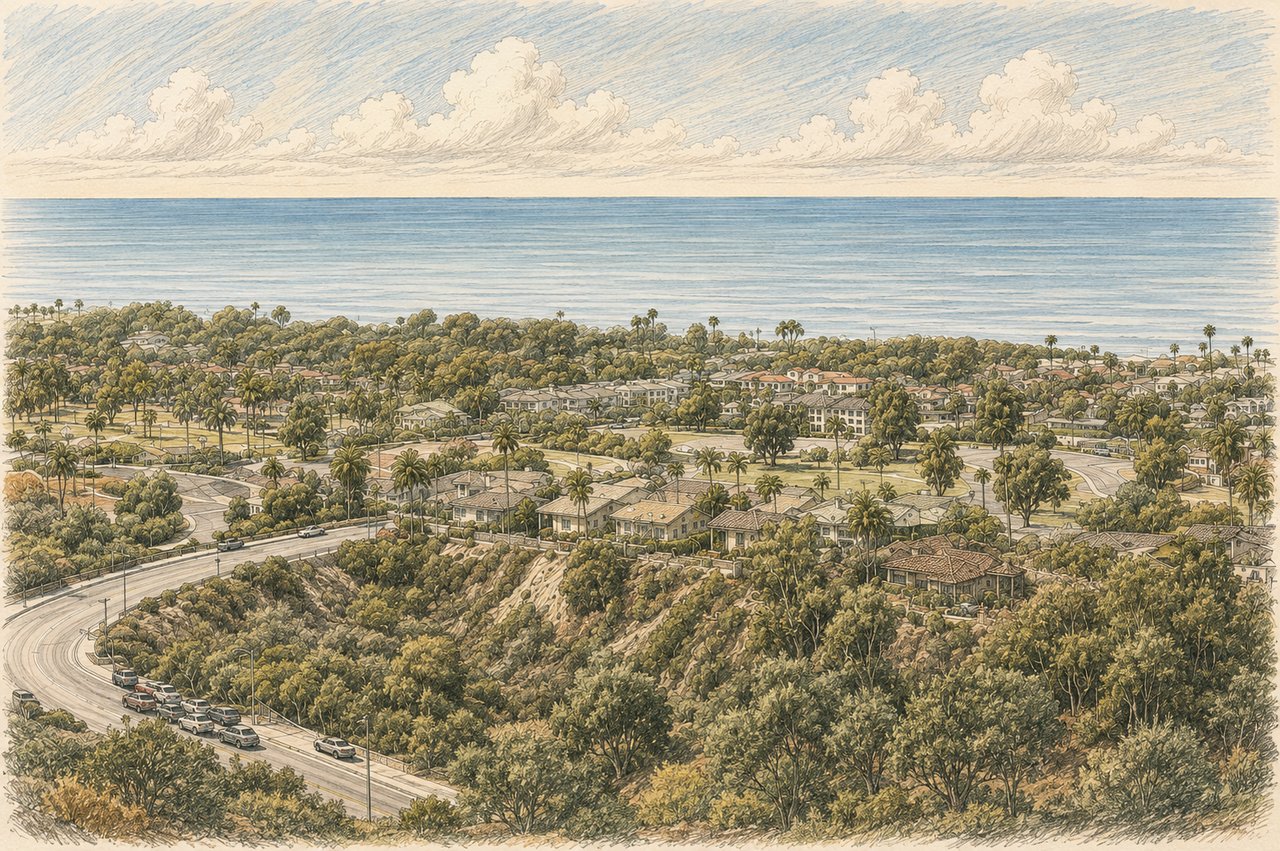
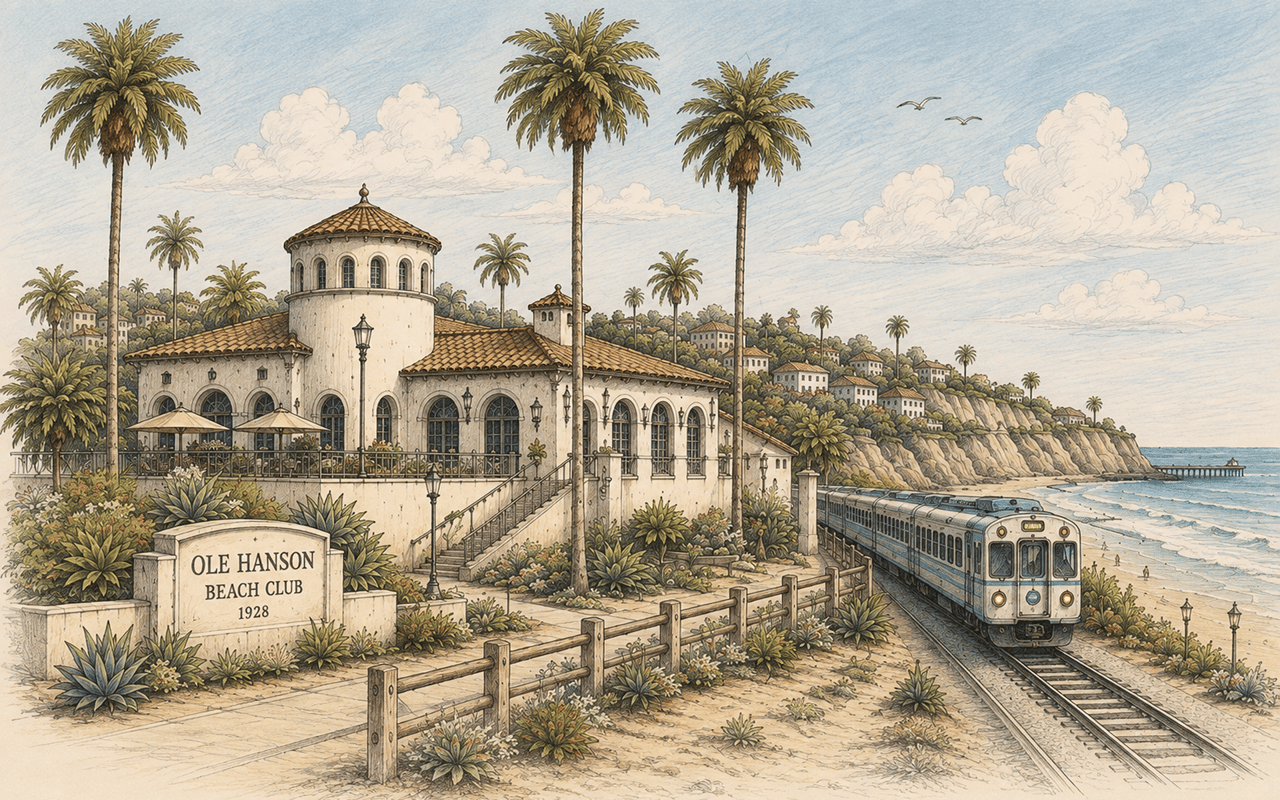
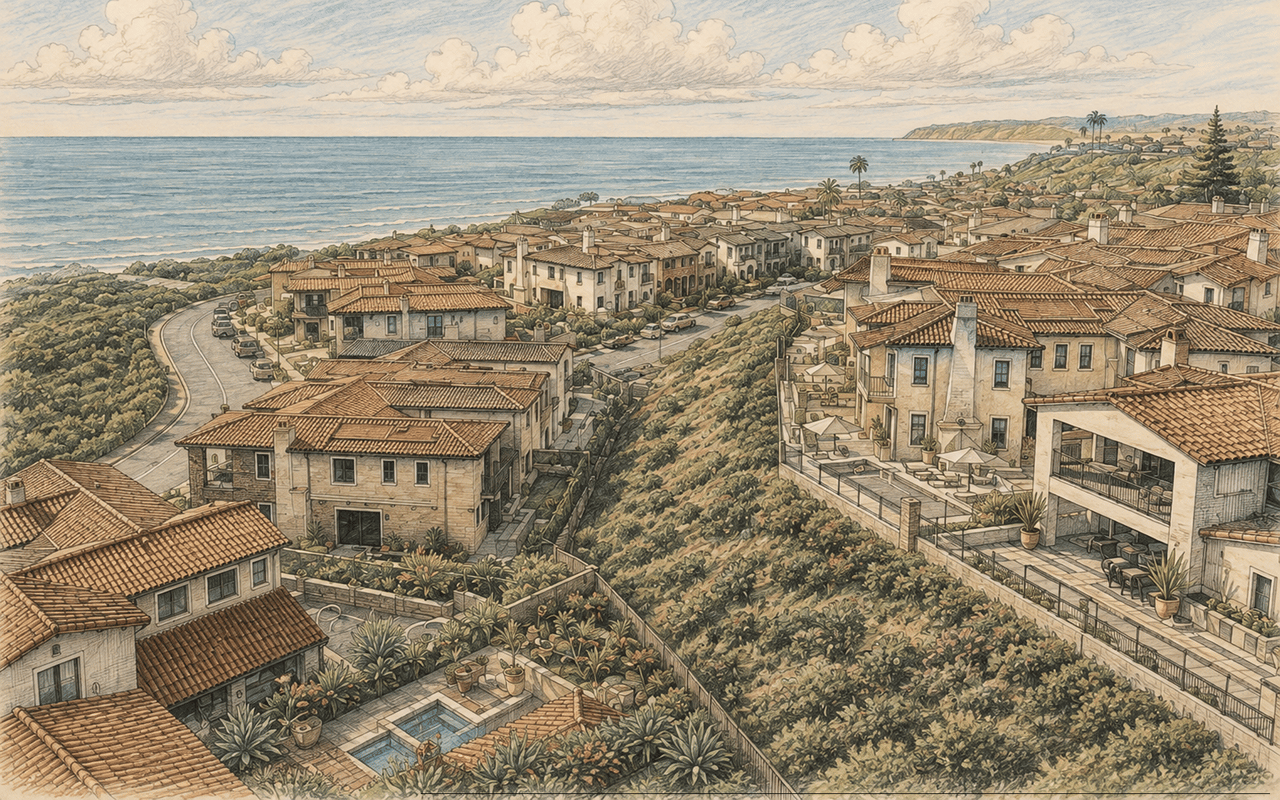
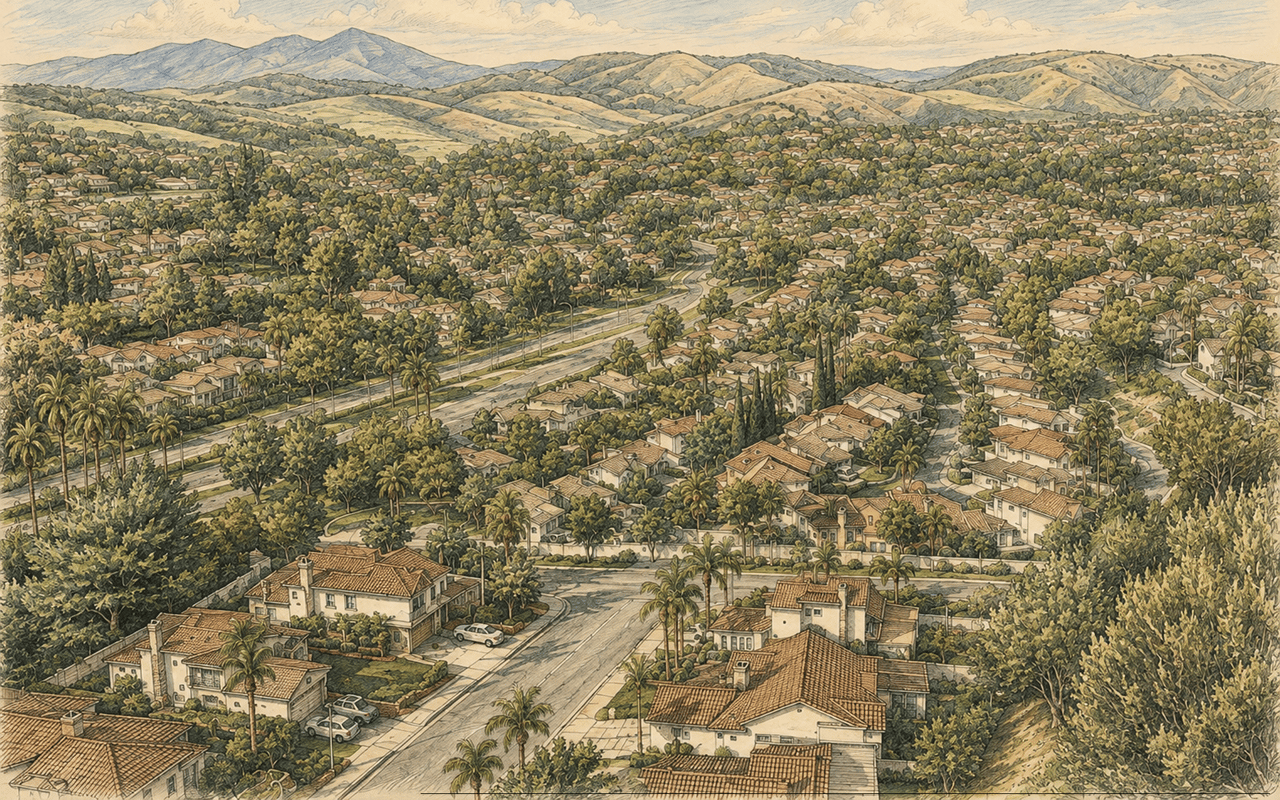
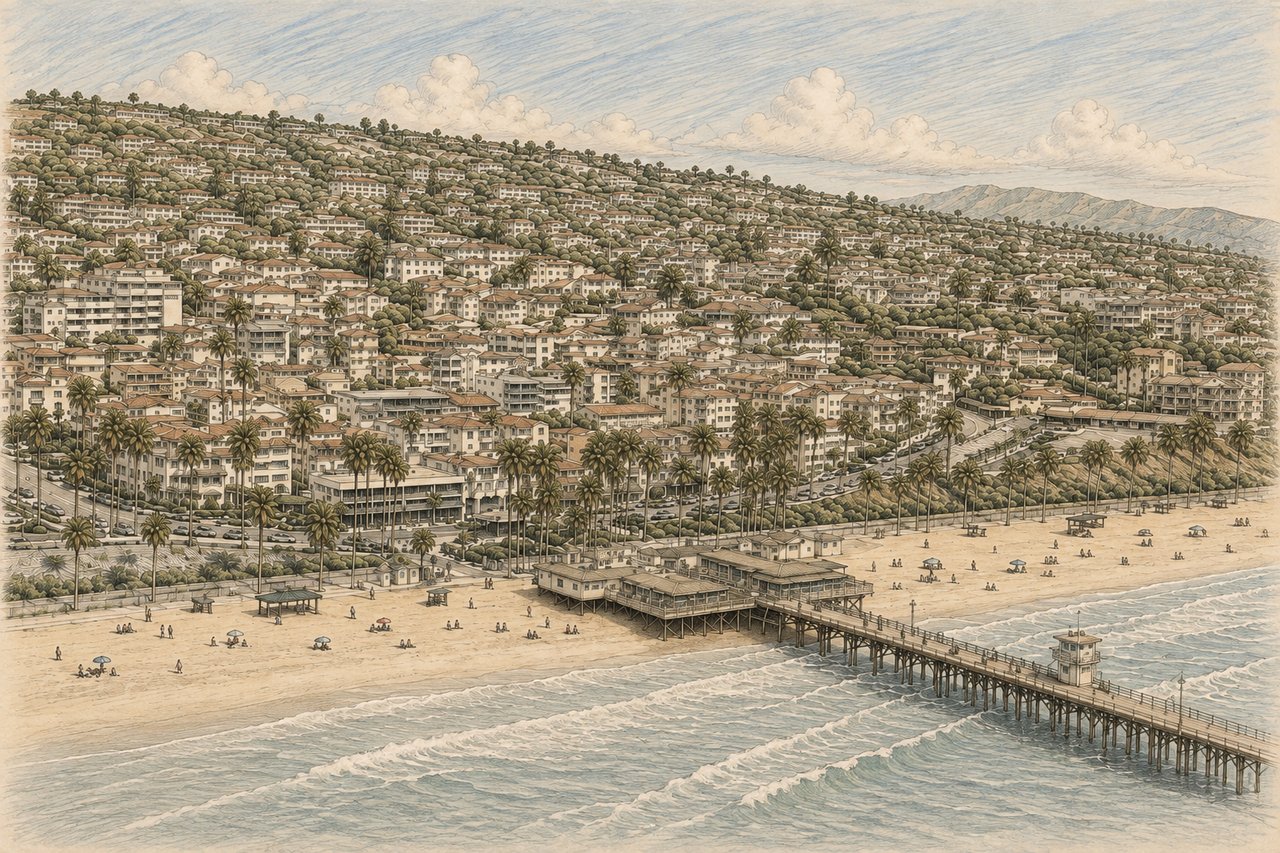
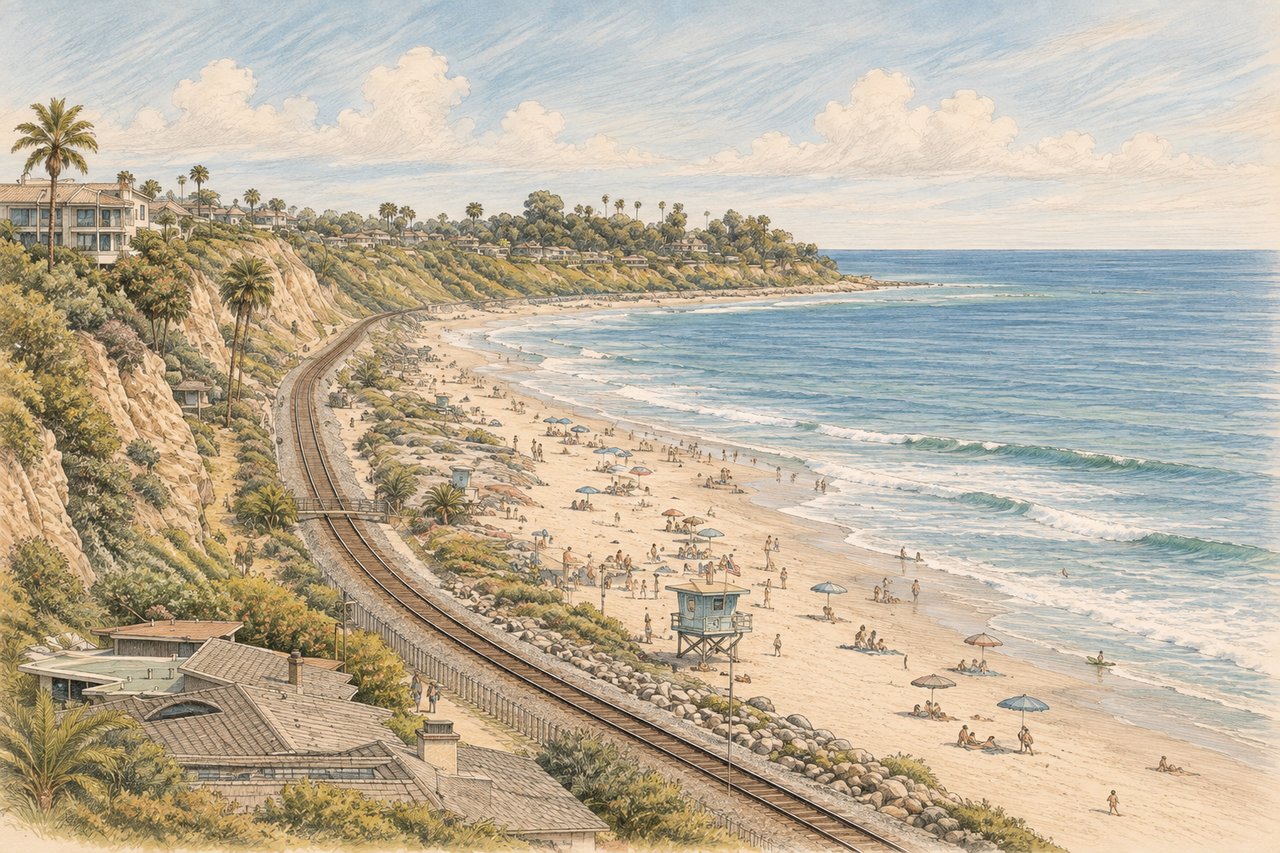
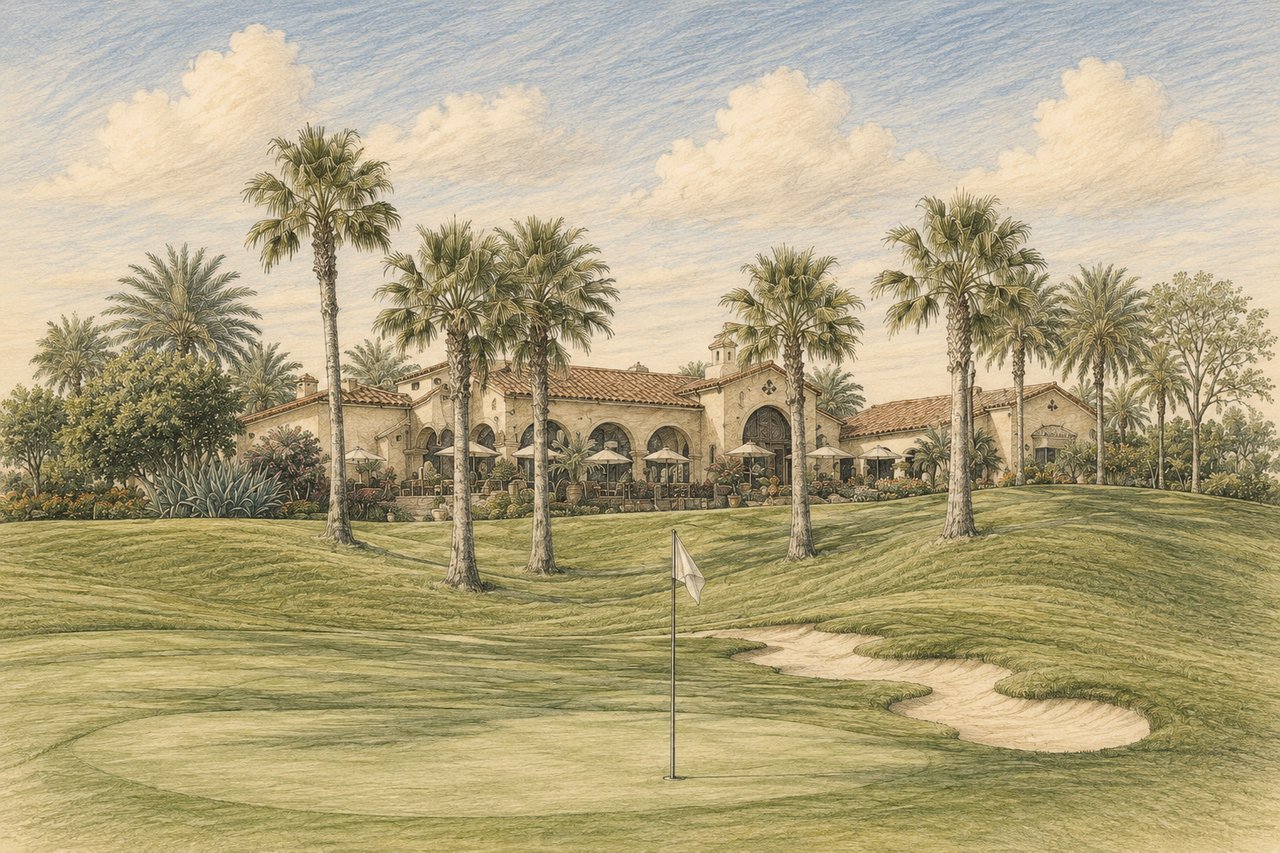
San Clemente is home for me, and it is the community I know most personally. I live here, I work here, and after helping buyers and sellers throughout Orange County since 1989, I still find that the most important San Clemente real estate decisions begin with a simple question: How do you want to live?
People know San Clemente for the Pier, surfing, red-tile roofs and Ole Hanson’s “Spanish Village by the Sea.” Those are real parts of its identity. But they do not explain what it feels like to own a home above downtown, walk to T-Street, live beside a fairway in Southeast, enjoy a garden in Forster Ranch, or look across the coast from a Rancho San Clemente ridgeline. A historic Spanish home near Avenida Del Mar, a beach cottage by Lost Winds, a detached condominium in Marblehead and a newer Sea Summit residence are very different purchases, even though all have San Clemente addresses.
I use this page as your starting point. The nine neighborhood sections above lead to much more detailed guides. Below, I explain how the major areas compare, what matters at the street and property level, and the things I would want you to know before choosing a home. If you are ready to look at listings, you can also explore current San Clemente homes for sale.
If you want walkable restaurants, the Pier and the beach, start with Central San Clemente and selected North Beach streets. If you want a strong surf-and-beach routine, look at Southwest. If you want an established inland home with a potentially more functional backyard, consider Forster Ranch and parts of the Coast District. If view-oriented hillside living interests you, compare Rancho San Clemente, The Hill and selected coastal or inland ridgelines. If you prefer newer master-planned housing, put Talega and Sea Summit on your list—but understand how different those two places really are.
That is only a starting point. Within a single tract, the lot on one side of a street can sit higher, feel windier, have a wider view or back to a slope rather than a level yard. A few minutes on an aerial map cannot tell you what the home sounds like on a summer Saturday, how the walk home from the beach feels, or whether the garage accommodates the cars you actually drive. The neighborhood narrows the search; the street and the property decide the fit.
Central is where the original village meets today's downtown. Avenida Del Mar links restaurants and small businesses to lower residential streets, Avenida Victoria and the Pier Bowl. Near the Pier, the appeal is a routine built around the sand, the Beach Trail, the Pier and dinner downtown. The practical questions are parking, train and visitor activity, older building systems, and whether the home has a truly usable garage or outdoor area.
Climb above downtown and the search changes. The Hill—commonly associated with Broadmoor, Pacifica, Rancho Margarita and Hillcrest—can offer established streets, single-level layouts and striking ocean or coastline views. But a home that looks close to Avenida Del Mar on a map may involve a substantial climb back uphill. On these streets, I compare view width and foreground, driveway grade, backyard privacy, retaining conditions and afternoon wind, not just bedroom count.
Explore the street-by-street distinctions in my Central San Clemente neighborhood guide.
North Beach has its own identity, anchored by Avenida Pico, Avenida Estacion, the Ole Hanson Beach Club, Casino San Clemente, the North Beach station and the historic Miramar property. Here, early San Clemente architecture sits near condos, bungalows, multifamily properties and newer infill homes. A property near the station and beach parking can feel entirely different from a smaller residence a few blocks inland near Calle Sacramento or Calle Las Bolas.
I pay particular attention to the legal route across the rail corridor, actual Beach Trail access, train and road noise, parking on busy beach days, and the condition of older homes exposed to salt air. North Beach can offer excellent coastal walkability, but you are buying into an active historic district, not an ordinary suburban tract. That difference is exactly why some buyers love it.
See my North Beach San Clemente guide for the historic core and street-level housing differences.
Southwest is where San Clemente's beach culture becomes a daily routine. T-Street, Lasuen or Lost Winds, Riviera, The Loop and the smaller streets farther south should not be lumped together. A buyer who wants to carry a board to a favorite surf break may value a short, practical beach route more than a larger home a few blocks inland. Another buyer may accept a longer walk for quieter surroundings, parking, a flatter yard or a better ocean view.
Farther south, places such as Cyprus Shore, Cyprus Cove, The Breakers and Cotton's Point add very different gated, coastal and estate-property considerations. View quality, bluff exposure, beach access rights, association obligations and security arrangements vary. A horizon view from an upstairs room is not the same as whitewater and coastline from the primary living spaces. Even the side of the street can matter.
My Southwest San Clemente guide connects to detailed articles on T-Street, Riviera, Lost Winds, The Loop and the southern gated neighborhoods.
Southeast is not simply “the other side” of Southwest. Around Avenida Del Presidente and Avenida Magdalena, homes relate to the San Clemente Municipal Golf Course, attached communities and the southern coastal approach. Higher up Avenida Salvador and Avenida San Juan, elevations, canyon settings and ocean outlooks can change the equation considerably. Presidential Heights I and II offer a different ownership and maintenance experience from custom or larger detached hillside homes.
A golf-course view deserves careful evaluation: Where are the fairways? How much privacy is there from golfers? Is ball exposure a consideration? On hillside properties, I focus on slope and drainage, retaining structures, street grade and usable outdoor area. San Clemente State Beach, Calafia and the Trestles/San Onofre surf corridor add important coastal context, but access from the actual property matters.
Compare the specific pockets in my Southeast San Clemente guide.
The Coast District appeals to buyers who want an established residential setting and may be willing to drive to the beach in exchange for room to spread out. The Coast, Sea Canyon Old and New, Eagles Ridge, Marlborough Seaview, Mystic Hill and Coral Pointe are not interchangeable. Homes vary in age, floor plan, original design, association arrangements, exposure and what a “large lot” actually means once you walk it.
This area is where I often ask buyers to compare a broad parcel with a more usable parcel. A recorded lot can include a substantial slope, while a somewhat smaller lot may offer a level backyard, a practical side yard and easier outdoor entertaining. Selected streets have ocean or coastal outlooks; others are more about a quiet residential feel and a functional home. Freeway sound and hillside drainage are also worth evaluating from the property, not from a listing description.
Read the Coast District neighborhood guide for the individual tract comparisons.
Forster Ranch sits in the northwestern inland hills and includes an unusually varied set of established neighborhoods. Tocayo Ridge, Tocayo Hills and Tocayo Canyon differ in housing and ownership type. Glen Ridge Estates, Rimrock, Flora Vista, Sunset Ridge and El Encanto present different lot and floor-plan questions. Las Veredas, Compass Pointe and Cantomar bring other construction eras and amenities. The Reserve North, South, East and West are distinct gated enclaves, not one uniform market.
For buyers focused on a real backyard, a conventional garage, one-level living or possible RV or boat access, I often want Forster Ranch in the conversation. I never assume all of those features are present or allowed at a particular address. A wide side yard does not establish RV permission; a 10,000-square-foot lot may include more slope than useful space; and a house without shared walls can still be legally classified as a detached condominium. HOA documents and title matter.
My Forster Ranch neighborhood guide links to seven detailed comparisons covering these subdivisions and ownership differences.
Rancho San Clemente rises through winding streets and canyon terrain above the central city. Buyers encounter places such as Montego, Bella Vista, Brisa del Mar, Harbor View, Harbor Ridge, Pacific Crest, Richmond Pointe, Villagio and Vista Pacifica. These are different homes and associations, not merely different signs along the road. A property on an exposed ridgeline may have a broad ocean outlook but a steeper driveway or a terraced yard; a lower home may offer easier day-to-day outdoor use and a canyon setting.
This is one of the first areas where I ask someone what “ocean view” means to them. A small horizon opening above rooftops, a layered canyon-to-ocean outlook and a wide coastline panorama do not carry the same experience or value. I also look at wind, grade, drainage, nearby open space and the actual routes to Avenida Pico and La Pata.
Explore the tract and view distinctions in my Rancho San Clemente guide.
Marblehead Inland and Sea Summit sit close together on the northern side of town, but I would never value them as one interchangeable neighborhood. Within Marblehead, Highland Light Estates, Highland Light Village, The Summit, Signal Pointe and the attached-home communities can differ in legal ownership, gating, association structure, age and views. Highland Light Village, for example, includes detached-condominium ownership; appearances alone do not tell you whether a parcel is a conventional single-family lot.
Sea Summit—organized around Aqua, Azure, Sapphire and Indigo—offers newer-era coastal housing, planned open space, trails and community amenities. The appeal can be contemporary design and coastal setting as much as an ocean view. Before comparing the two, I would decide whether the buyer wants an established gated hillside neighborhood, a lower-maintenance attached or detached-condo option, or a newer coastal master-planned environment. Then I would evaluate the exact parcel and association documents.
My Marblehead and Sea Summit guide is the starting point; the newer Highland Light neighborhood comparison provides a deeper example of those ownership differences.
Talega gives buyers a more extensively planned inland experience, with parks, trails, neighborhood amenities, golf-course relationships and a broad mix of housing. But I do not treat Talega as a single tract. A home in a lower section nearer daily services can feel different from a higher elevation property in a neighborhood such as Cazadero, Montellano, Pacifica or one of the gated collections. The Gallery adds age-qualified living, and townhome or condo areas create another set of decisions.
When I evaluate a Talega property, I look at its particular neighborhood, nearby parks and pools, view corridor, slope, outdoor usability, HOA layers and current property-tax bill—including any applicable special assessments. A home farther into the community can also have a different everyday drive than one nearer the outer access roads. The features that make Talega appealing are real, but they need to be weighed against each property's recurring costs and location.
My Talega San Clemente guide explains the wider community and the individual tract decisions.
San Clemente's coast has an unusually varied set of access points. North Beach, the Pier, T-Street, Lost Winds, Riviera, Calafia, San Clemente State Beach and the Trestles area each serve different routines. I want buyers to walk the actual path from the home. Is there a legal crossing or an underpass? Are there stairs? Where will a visitor park? How does the uphill return feel with a surfboard, chairs or children? The route, not the ruler on the map, is what affects everyday use.
The City's San Clemente Beach Trail runs approximately 2.3 miles from North Beach toward Calafia, passing the Pier and T-Street. It is a wonderful coastal connection, but homes directly influenced by trail traffic and the rail corridor may have different privacy or noise considerations than homes a few streets away. Trail conditions and access can change; verify the current public route.
When someone tells me they want an ocean view, I ask what kind. Are they picturing whitewater, the coastline stretching north toward Dana Point, Catalina on a clear afternoon, the Pier, or simply a blue-water horizon? Is the view from the living room and backyard, or only from an upstairs bedroom? Is there a roof or power line in the foreground? What might be built on an adjacent parcel? I do not describe a view as permanently protected without documented support.
The same principle applies to hillside homes. A dramatic view can come with a sloped backyard or exposed terrace. Another property may have less water in sight but more privacy, a flatter yard and a more functional floor plan. Buyers should pay for the view they will actually enjoy, not the view a wide-angle photograph suggests.
A square-footage figure never tells me whether a yard is usable. I look at how the house sits on the parcel, flat area, drainage, retaining walls, setback constraints, side-yard width and neighboring elevation. If a buyer wants to add a pool or outdoor kitchen, I want the feasibility reviewed before treating that future improvement as an assumption.
Parking deserves the same practical test. In Central and North Beach, an older garage may not comfortably fit two modern vehicles, and busy coastal weekends affect curb parking. In some hillside neighborhoods, the approach to an otherwise generous garage may be steep. In master-planned communities, guest parking, RV storage and driveway use can be affected by association rules. I want buyers to try the garage and driveway rather than rely on the MLS field alone.
Historic cottages and Spanish-influenced homes can be hard to reproduce, but a beautiful remodel does not automatically mean the underlying systems have been updated. For older properties I want to understand the roof, plumbing, electrical, sewer, windows, waterproofing, drainage, additions and permits. The City's historic or architectural requirements may also be relevant to a particular address. Near the ocean, salt air affects exterior maintenance.
Newer homes in Sea Summit and Talega can offer more contemporary floor plans and planned amenities, but newer construction is not a substitute for reviewing the parcel, HOA, insurance, disclosures and recurring costs. Neither vintage nor new is inherently better. Each has different trade-offs.
ZIP codes are useful for orientation, not a lifestyle guarantee. Much of the older coastal and central city is in 92672; many northern, inland and planned communities are in 92673. The same ZIP code can contain condos, detached homes, hillside views and homes with very different HOA obligations.
“West of the 5” is similarly helpful shorthand but does not prove a house is walkable to sand or restaurants. A property can be west of Interstate 5 and still have a steep beach route, rail separation or a longer drive to the break you use most. And real estate websites don't always draw neighborhood boundaries the same way. For me, the exact address is always the final test.
There isn't one San Clemente answer to “Does it have an HOA?” Older coastal streets may not have a master association. Talega, Marblehead, Sea Summit, attached communities and gated enclaves can have more complex arrangements or sub-associations. Even a house that looks detached can have condominium ownership and shared responsibilities. I check the deed, CC&Rs, current budget, reserves, insurance coverage, architectural rules, parking restrictions and any pending assessments for the actual property.
The tax picture also varies. Do not assume every home has Mello-Roos, or that no older home does. I review the current property tax bill and applicable assessments, then add HOA dues, insurance and anticipated maintenance to the payment conversation. A purchase price by itself is not the cost of owning the home.
A coastal morning may begin under a marine layer while an inland trail or Talega backyard is already sunny. Ridge streets can be breezier; canyon locations may hold shade longer. That is why I like buyers to revisit a property at different times of day. If the backyard is central to your lifestyle, the afternoon matters as much as the morning open house.
The same goes for movement around town. Avenida Del Mar and the Pier Bowl support one kind of walkable routine. North Beach has its own beach, station and historic landmarks. Forster Ranch has Forster Ranch Community Park and the Ridgeline Trail. Southeast connects to the municipal golf course and southern beaches. Talega offers a large network of planned neighborhood amenities. None of those benefits means every home is a short walk from them. I check routes, traffic, grade and actual accessibility, not just the amenity list.
San Clemente is served by Capistrano Unified School District. Schools can matter to a buyer's daily logistics, but an MLS description is not the right way to establish an assignment. I recommend checking the exact address, current boundaries and programs with the district. The same common-sense rule applies to short-term-rental permissions, additions, parking and zoning: verify what's allowed at the specific property.
For buyers, my first step is to identify the nonnegotiables. Is an easy beach walk worth giving up square footage? Would you trade a wide coastline view for a level backyard? Do you prefer an older, individual home or a more predictable newer floor plan? Is a gated neighborhood important, or would you rather avoid additional association obligations? Once those priorities are clear, the nine neighborhood areas become a manageable shortlist, not a confusing map.
Then we get specific. We compare the actual street, orientation, lot, garage, views, renovation history and ownership documents. I would rather see someone choose the right property in their second-choice neighborhood than pay a premium for the wrong property just because its tract name was first on the list.
For sellers, this precision is just as important. A Forster Ranch house with a truly level private yard should be presented differently from a Rancho San Clemente ridgeline home with a remarkable view. An older Pier Bowl property is not marketed the same way as newer Sea Summit construction. The listing should show what the buyer cannot easily find elsewhere: the view from the rooms they use, the useful outdoor space, the legal beach route, the rare single-story layout, the garage that actually works or the quality of a properly completed remodel.
If you're comparing neighborhoods, begin with the nine detailed area guides above. If you're looking at homes now, browse San Clemente listings. If you're preparing to sell, I can help identify the property-specific features that should drive pricing and presentation rather than relying on a broad citywide average.
Lower Central San Clemente and the Pier Bowl offer especially direct connections to Avenida Del Mar, the Pier and the beach. Selected North Beach and Southwest streets also provide strong coastal access. The specific grade, crossing and route from the home are more meaningful than neighborhood labels.
I commonly start with Forster Ranch and selected established Coast District, Rancho San Clemente and Talega properties. A larger recorded lot is not necessarily a larger usable yard; I evaluate slope, flat area, setbacks, privacy and the way the house is positioned.
Yes. Many older coastal and central addresses have no master HOA, but ownership structures and recorded restrictions vary. Confirm the exact property documents before relying on an online listing or neighborhood generalization.
View opportunities are found in The Hill, Southwest, Southeast, the Coast District, Rancho San Clemente, Marblehead, Sea Summit, and selected Talega and north-coastal locations. The width, foreground and rooms from which the view is visible vary from one home to the next.
No. They are geographically close but represent different development eras and housing experiences. Marblehead Inland has established associations and multiple housing types; Sea Summit is newer coastal planned housing with its own distinct neighborhoods and amenities. Compare the actual home and governing documents.
These are San Clemente's principal ZIP codes, with much of the historic coastal and central housing in 92672 and many northern and inland communities in 92673. Neither determines walkability, view quality, HOA status or property value by itself.
No. Tax and assessment obligations vary by development and parcel. Before buying, check the current tax bill, supplemental assessment information and the full ownership budget rather than assume a neighborhood-wide answer.
Yes. They appear in established neighborhoods including portions of The Hill, Forster Ranch, the Coast District and other parts of town. They can be scarce in particular price ranges. I also check for interior steps, driveway slope and whether the backyard and garage function as true one-level living.
Location within the tract, real beach access, usable lot, privacy, view quality, parking, floor plan, permitted improvements, condition and the ownership structure all contribute. I compare properties a buyer would genuinely choose between, rather than apply a citywide price-per-square-foot number without context.
What I like most about San Clemente is that it still feels like a real town. You can grab coffee downtown and recognize familiar faces, watch the surf from the Pier, walk the Beach Trail, then drive a few minutes inland and find mature streets, parkland, ridgelines and homes that live nothing like the beach cottages below. The original Spanish architecture is still part of the landscape, but the city has room for many different ways of living.
San Clemente is not perfect. Coastal parking can be frustrating. The marine layer is part of life. The railroad and Interstate 5 are real physical features. Historic homes have maintenance needs, and hillside properties demand thoughtful due diligence. I believe the best real estate advice acknowledges those things instead of selling a postcard.
That is why San Clemente is the primary focus of my work. I want buyers and sellers to understand what makes a property valuable, comfortable and difficult to reproduce—down to its street, lot and daily routine. If you are considering a move within San Clemente, relocating to the city or selling a home here, I would be happy to talk through the neighborhoods and the details that matter to you.
Find Your Next Dream Home